
Scaling Up: Managing Multiple Fish and Reptile Habitats
The Joy and Challenge of the Multi Pet Home
There is a specific kind of peace that comes from watching a planted aquarium or a bioactive terrarium. For many of us, that one tank eventually turns into two, then four, then a dedicated room. Whether you are caring for a senior bearded dragon that has seen you through a decade of life or a brand new school of tetras, the emotional weight of providing for these lives is significant. You want to give every animal your best, but as the number of glass boxes increases, the logistics can become overwhelming. Managing multiple habitats requires a shift from casual hobbyist to a structured systems manager.
Power Logistics and Safety
One of the most overlooked aspects of multi pet reptile and fish keeping is the strain on your home electrical system. A single 40 gallon reptile tank might use a 100 watt heat lamp and a UVB tube, while a reef tank might pull 300 watts for lights and heaters. When you multiply this by five or ten enclosures, you are looking at a serious electrical load.
First, map your circuits. Most standard US rooms are on a 15 or 20 amp circuit. If you plug three heavy duty heaters and several high output lights into one outlet via cheap power strips, you risk tripping breakers or, worse, causing a fire. Use high quality power strips with built in surge protection. If you are serious about your setups, consider a battery backup (UPS) specifically for your fish filters or reptile heat mats. A three hour power outage is a minor annoyance for you, but it can be fatal for a tropical fish colony if the oxygen levels drop.
The Art of the Maintenance Loop
To prevent burnout, you must move away from the idea of doing everything at once. Instead of a grueling eight hour marathon on Sunday, adopt a maintenance loop. This means breaking tasks into daily, weekly, and monthly categories.
Daily Checks (15 Minutes)
- Check temperatures in every reptile enclosure using an infrared thermometer.
- Verify that all fish are eating and looking for signs of lethargy.
- Refill humidity misters or spray reptile enclosures manually.
- Empty the protein skimmer if you run a saltwater system.
Weekly Rotations (1 Hour)
Instead of changing water in every tank every week, rotate your schedule. If you have four tanks, do two on Saturday and two on Sunday. For reptiles, use this time to deep clean one specific enclosure per week on a rotating basis. This ensures that no single animal lives in a dirty environment for long, while keeping your own weekend manageable.
Automation is Your Best Friend
If you have more than three enclosures, manual light switching is a recipe for stress. Mechanical timers are cheap (often under 10 dollars), but smart plugs are the modern gold standard. Smart plugs allow you to set precise schedules on your phone and even monitor power usage.
For fish keepers, an Automatic Water Change (AWC) system or a simple Python water changer that hooks to your sink will save your back. Carrying 5 gallon buckets is the leading cause of hobbyists quitting the fish world. If you can automate even 20 percent of your water changes, your consistency will skyrocket.
For reptile owners, automatic misters like the MistKing system are transformative. If you have multiple tropical species like crested geckos or poison arrow frogs, a centralized misting system ensures they never dry out, even if you are stuck at work late.
Organizing the Pantry
Feeding ten different species is a logistical puzzle. You might have one lizard that needs live dubia roaches, another that eats frozen thawed rodents, and fish that require a mix of flakes and frozen brine shrimp.
Create a centralized feeding station. Use a dedicated small freezer for frozen reptile and fish food. This keeps the gross factor out of your human kitchen and ensures you always know your inventory levels. For live feeders like crickets or worms, keep them in a well ventilated bin with high quality gut load. Remember, the nutrition of your reptile is only as good as the nutrition of the bug it eats. Label everything. When life gets busy, having a label that says (Feed 3 pellets per fish) helps family members step in and help without causing a nitrogen spike from overfeeding.
Health Monitoring and Record Keeping
When you have one pet, you remember when it last shed or when the water was changed. When you have six, those details blur together. Use a simple notebook or a digital spreadsheet to track major events.
Key data points to track include:
- Water parameters (Ammonia, Nitrite, Nitrate, pH).
- Reptile shed dates (to monitor for stuck shed or dehydration).
- Filter media replacements.
- Bulb replacement dates (UVB bulbs lose their effectiveness long before they stop glowing).
Keeping these records helps you spot trends. If your bearded dragon stops eating, you can look at your notes and realize it has been four months since you changed the UVB bulb, which is a likely culprit for the lethargy.
The Emotional Balance
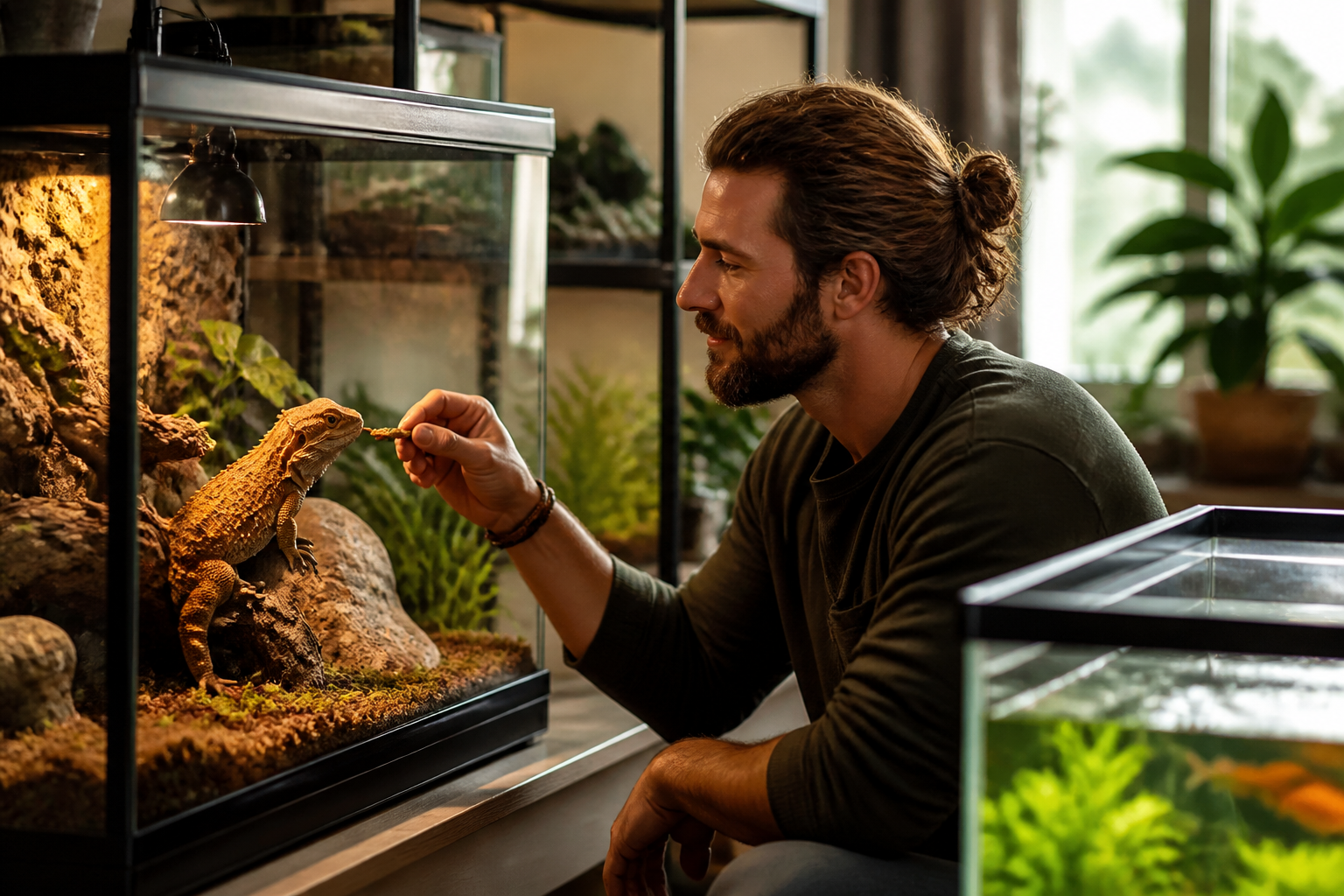
It is easy to get caught up in the hardware and the chemistry and forget the animals themselves. Each fish and reptile has a personality. Even a school of neon tetras has a collective vibe. Make sure your routine includes at least ten minutes of non work time with each species. This means sitting in front of the tank without a glass scraper in your hand.
For senior pets, this time is crucial. Older reptiles may move slower and need more help with hydration. Older fish may struggle to compete for food with younger tank mates. By being present and observant, you can make the small adjustments that allow these senior animals to thrive in their golden years.
Conclusion
Scaling up your collection is a rewarding journey that turns a corner of your home into a living ecosystem. By prioritizing electrical safety, embracing smart automation, and sticking to a manageable maintenance loop, you can enjoy your pets without the burden of constant chores. The goal is to spend more time enjoying the view and less time carrying buckets.
Enjoying this post?
Get the next one sent straight to your inbox — no spam, unsubscribe anytime.