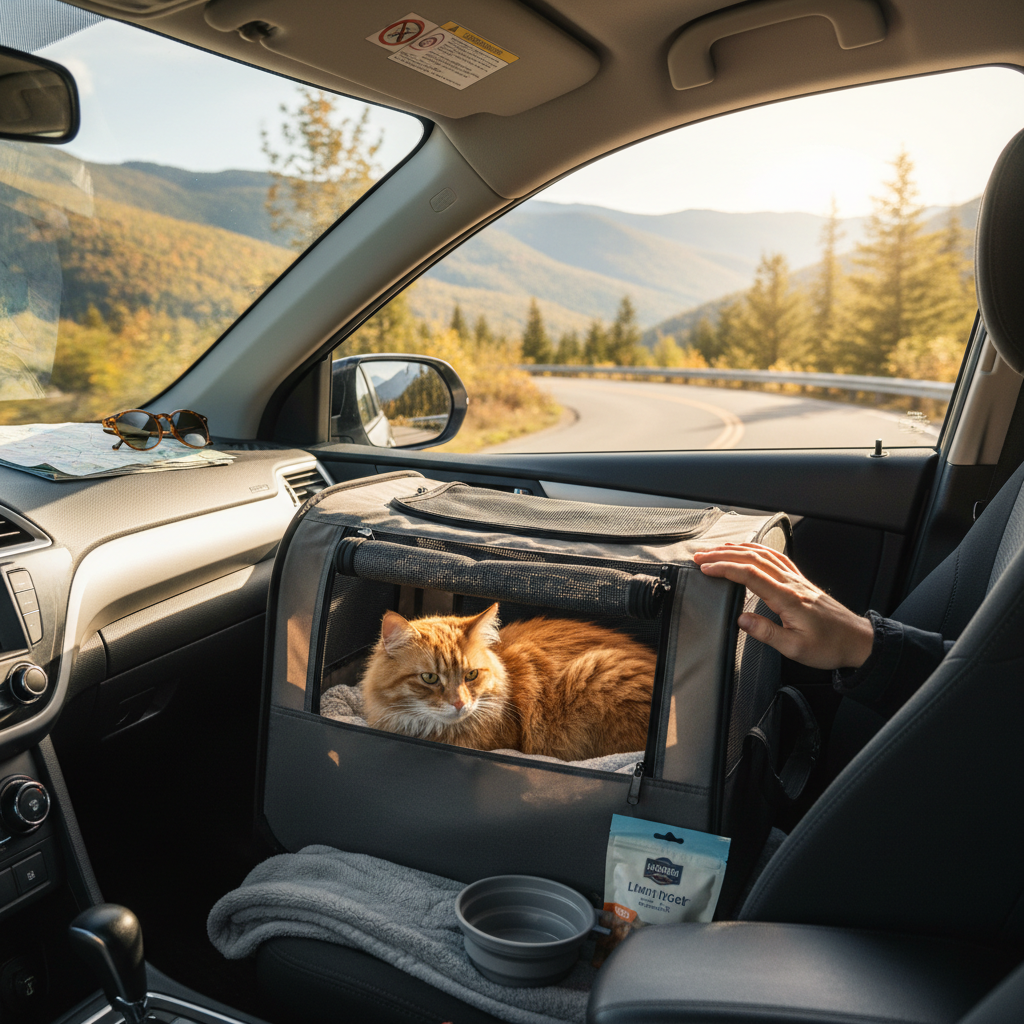

Road Tripping with a Cat: What Actually Works After 1,000 Miles
Road tripping with a cat is the process of transporting a feline companion over long distances via motor vehicle, requiring specific environmental controls, safety restraints, and behavioral management to ensure the animal's physiological and psychological well-being. Unlike dogs, which often view car rides as social opportunities, cats are territorial animals that rely on a stable environment for security. Successful travel hinges on replicating a sense of territory within the vehicle while managing the cat's natural instincts to hide or flee in unfamiliar settings.
The Reality of the First 100 Miles
The first hour of a long-distance trip is often the most stressful for both the cat and the owner. Many cat owners report that their pets may vocalize loudly, pant, or pace within their carriers during the initial stages of the journey. This is a physiological response to the vibration of the engine and the sensory overload of moving scenery. According to animal behaviorists, this period is critical for setting the tone of the entire trip. If a cat is allowed to roam free in the cabin during this time, they may wedge themselves under the brake pedal or dashboards, creating a life-threatening situation.
What actually works during these first miles is a combination of scent familiarity and physical security. Placing a piece of unwashed clothing from the primary owner inside the carrier provides a pheromonal anchor. Research shows that cats rely heavily on olfactory cues to identify safe zones. By surrounding the cat with the scent of 'home,' the transition from a stationary house to a moving vehicle becomes less jarring. Furthermore, covering the carrier with a light breathable blanket can reduce visual overstimulation, which is a primary trigger for feline car sickness.
Choosing the Right Command Center: Carriers vs. Crates
When traveling over 1,000 miles, the standard small plastic carrier often proves insufficient. For extended durations, a 'travel condo' or a large wire dog crate is frequently more effective. These larger enclosures allow space for a small litter box, a water bowl, and a perching area. This allows the cat to maintain their natural rhythms of elimination and hydration without the owner needing to stop frequently or risk an escape during a harness break.
Consider the interior layout of your vehicle. A large crate should be secured using seatbelts or cargo tie-downs. In the event of a sudden stop or collision, an unsecured crate becomes a heavy projectile. Safety tests by various pet advocacy groups suggest that many soft-sided carriers may not withstand high-impact forces, while crash-tested hard-sided carriers or reinforced metal crates offer superior protection. Many people find that placing the crate in the back seat, rather than the trunk or the front passenger seat, provides the most stable temperature control and air circulation.
The Litter Box Dilemma
One of the most significant challenges of a 1,000-mile journey is the litter box. Cats are notoriously private about their bathroom habits. In a moving vehicle, the sloshing of litter and the lack of privacy can lead to 'holding it' for dangerous lengths of time.
To solve this, many experienced travelers use disposable cardboard litter trays or small plastic bins that fit into a corner of the travel crate. Using a non-clumping or low-dust litter is essential, as the confined space of a car can concentrate dust particles, leading to respiratory irritation for both the cat and the driver. Many travelers suggest offering the cat access to a full-sized litter box during overnight hotel stops or long rest breaks in a parked, secured vehicle.
Hydration and Nutrition on the Open Road
Maintaining hydration is one of the most difficult aspects of feline travel. Cats have a low thirst drive to begin with, and stress further suppresses the urge to drink. Dehydration on a long-distance trip can lead to lethargy and urinary tract issues.
Instead of relying on a floor-mounted water bowl that will inevitably spill, many owners find that clip-on ceramic or stainless steel bowls (commonly used for birds or small mammals) are more effective. These can be attached to the crate door at a height that prevents tipping. Additionally, feeding wet food during the trip provides supplemental moisture. Some travelers find that using a needleless syringe to offer small amounts of water or tuna juice every few hours can help maintain hydration levels if the cat refuses to drink from a bowl.
Timing the Meals
Feeding schedules should be adjusted for travel. To prevent motion sickness, it is often recommended to feed a large meal 4 to 6 hours before departure, with only small snacks provided during the driving hours. A full stomach in a vibrating car is a recipe for vomiting. If the cat is a particularly sensitive traveler, sticking to a strict 'no food while moving' rule may be necessary. Always observe the cat's behavior; if they are licking their lips excessively or drooling, they are likely experiencing nausea.
Environmental Controls: Temperature and Sound
A car's interior temperature can fluctuate rapidly. Cats are sensitive to heat, and because they do not sweat like humans, they can overheat quickly in a sun-drenched backseat.
- Sunshades: Use static-cling sunshades on the side windows to block direct UV rays hitting the carrier.
- Airflow: Ensure that the car's AC vents are directed toward the cat's crate, but not blowing directly onto the cat, which can cause discomfort.
- Audio Environment: Many studies on feline enrichment suggest that cats respond positively to specific frequencies. While human radio or podcasts might be fine for the driver, 'cat music' specifically composed with feline resting heart rates in mind can significantly lower cortisol levels.
Managing Anxiety: Pheromones and Supplements
For a 1,000-mile journey, behavioral management is just as important as physical safety. Synthetic pheromone sprays and diffusers mimic the 'happy markers' cats leave when they rub their cheeks against furniture. Spraying the carrier and the car's interior 15 minutes before loading the cat can create a chemical sense of security.
Some owners consult with veterinarians for pharmaceutical interventions. Gabapentin has become a widely discussed option for feline travel anxiety, as it provides both sedation and pain relief without the heavy risks of traditional tranquilizers. However, always test any medication at home before the trip to ensure the cat does not have a paradoxical reaction (becoming more agitated instead of calmer). Natural alternatives like L-theanine or calming chews are also popular, though their effectiveness varies greatly between individual pets.
The Overnight Stop: Staying in Pet-Friendly Hotels
After several hundred miles, both the driver and the cat will need a break. When staying in a hotel or Airbnb, the first task is 'cat-proofing' the room.
Imagine walking into a hotel room and the cat immediately vanishes under a heavy fixed-base bed or into a gap behind the plumbing. To prevent this, many travelers keep the cat in their carrier until the bathroom is set up with a litter box and water. The cat is then released only in the bathroom to decompress for an hour before being allowed into the main room. Always use a 'Do Not Disturb' sign and consider placing a heavy suitcase in front of the hotel door to prevent the cat from bolting if a staff member enters unexpectedly.
Safety and Recovery: Harnesses and ID
Even the calmest cat can panic in a rest area. A 1,000-mile trip involves many door openings and closings. A cat should never be moved from the car to a building unless they are in a carrier or wearing a properly fitted, escape-proof harness.
Microchipping is the single most important recovery tool for traveling pets. Ensure the contact information on the chip registry is up to date before the trip starts. Additionally, a physical ID tag on a breakaway collar should include your cell phone number, not a home landline. Some modern travelers also use GPS trackers attached to the harness, which can provide real-time location data if the cat manages to slip away in an unfamiliar environment.
Key Takeaways for Long-Distance Feline Travel
- Space Matters: Use a large crate that accommodates a litter box for trips lasting more than 6 hours.
- Scent Security: Use unwashed bedding or owner clothing to provide a sense of home.
- Hydration is Critical: Use clip-on bowls and wet food to prevent dehydration and urinary issues.
- Visual Blocks: Use blankets or sunshades to reduce the stress of moving shadows and lights.
- Medical Support: Consult a vet about anxiety medication or pheromone sprays for high-stress cats.
- Escape Prevention: Never open car doors without the cat being secured in a carrier or harness.
Planning for the Journey Ahead
Successfully road tripping with a cat is an exercise in preparation and patience. While the first 100 miles might be filled with protest, most cats eventually settle into a rhythmic lull as the miles pass. By focusing on the cat's primary needs-territorial security, hydration, and temperature control-you transform a potentially traumatic event into a manageable adventure.
Whether you are moving across the country or bringing your feline companion on a vacation, the key is to view the car as an extension of the home. With the right gear and a slow, steady approach, your cat can become a seasoned traveler capable of handling any distance. Before you set out on your next 1,000-mile journey, perform a 'dry run' with a one-hour drive to identify any specific triggers or needs your pet may have. Safe travels for both you and your 'neighbor' in the hood.
Enjoying this post?
Get the next one sent straight to your inbox — no spam, unsubscribe anytime.