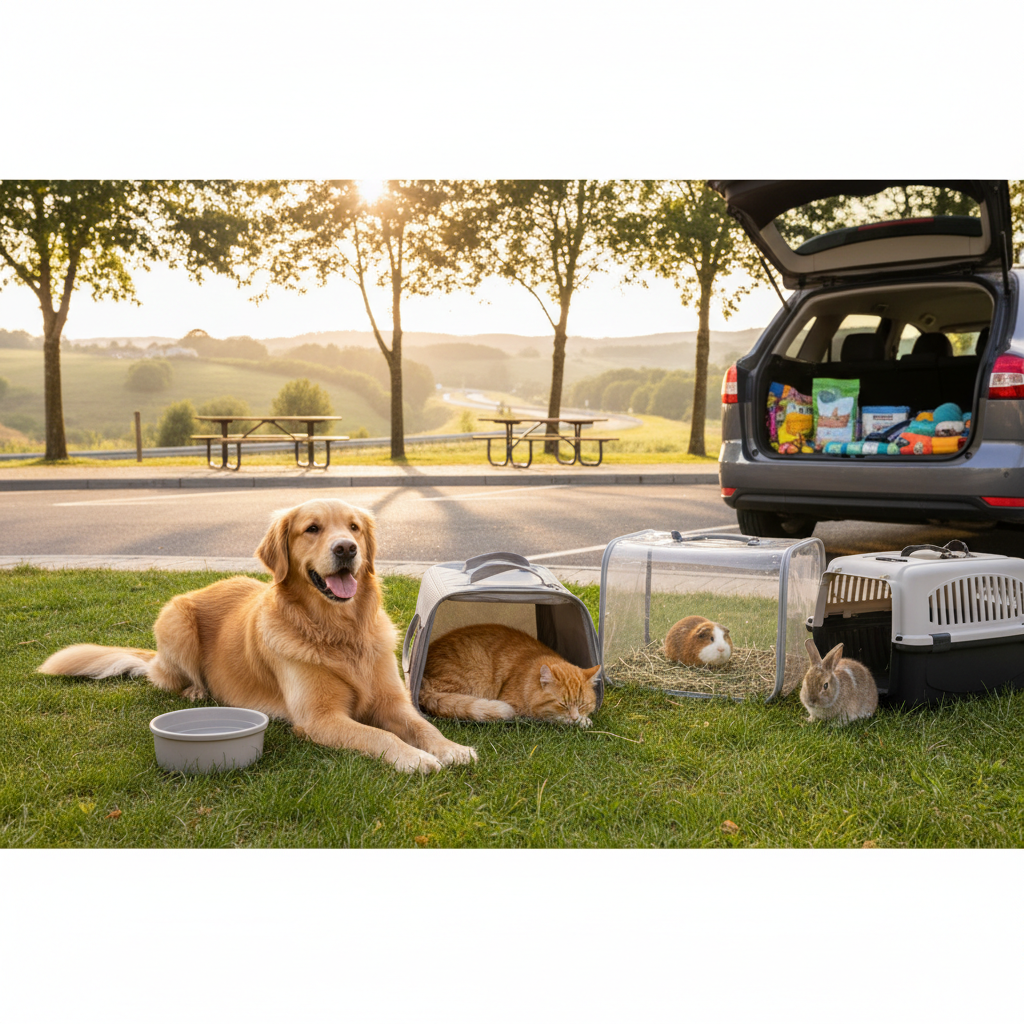

Road Trip Rest Stops: How Often to Stop for Dogs, Cats, and Small Mammals
A pet-friendly road trip rest stop is a scheduled interval during vehicle travel designed to facilitate a pet's physiological and psychological needs, including hydration, elimination, muscle stretching, and mental decompression. For most healthy adult dogs, experts generally recommend stopping every 2 to 4 hours, whereas cats and small mammals often benefit from longer periods of stillness to reduce transport-related stress. Establishing a predictable rhythm for these stops is the cornerstone of safe long-distance animal transportation, directly impacting the well-being of the animal and the safety of the driver.
Understanding the Biology of the Travel Break
When we plan a road trip, we often estimate our arrival time based on human endurance and fuel tank capacity. However, pets do not experience travel the same way humans do. While a driver might feel productive by pushing through a six-hour stretch, a pet is experiencing a constant series of micro-adjustments to maintain balance in a moving vehicle. This leads to physical fatigue that isn't always obvious until the animal is allowed to stand on solid ground.
Rest stops serve three primary biological functions. First is biological elimination. Just as humans need bathroom breaks, pets need a consistent schedule to prevent localized discomfort or accidents within their carriers. Second is hydration. Many pets refuse to drink while a vehicle is in motion due to the vibration and noise; a stationary car provides the security they need to lap up water. Third is thermoregulation. Cars can create micro-climates where the backseat or cargo area becomes significantly warmer than the front, and a stop allows for fresh air circulation and a temperature reset.
For small mammals like rabbits or guinea pigs, the 'stop' might not even involve leaving the vehicle. Instead, it is a period of 'quiet time' where the engine is off, and the animal feels safe enough to emerge from their hidey-hole to eat hay or drink from a ceramic bowl. Understanding these nuances ensures that the trip remains a positive experience rather than a stressful endurance test.
Frequency Guidelines for Dogs
Dogs are the most common road trip companions, and their needs vary significantly based on age, breed, and temperament. As a general rule of thumb, most veterinarians suggest stopping every 2 to 4 hours. During these breaks, a dog should be given at least 15 to 20 minutes to move their legs and explore the environment.
Puppies and Senior Dogs
Young puppies have limited bladder control and high energy requirements. If you are traveling with a dog under six months old, you should aim to stop every 60 to 90 minutes. This frequent interval helps maintain potty training progress and prevents the pup from becoming overstimulated or destructive in the car. Similarly, senior dogs often suffer from arthritis or joint stiffness. Frequent breaks allow them to stretch their limbs, preventing the painful 'locking up' that can occur after hours of confinement in a cramped space.
High-Energy vs. Low-Energy Breeds
Consider the physical requirements of your specific breed. A Border Collie will need more vigorous activity during a stop than a Basset Hound. For working breeds, a simple walk around a grassy patch might not be enough. Many owners find that bringing a long-line leash and engaging in five minutes of 'find it' games or light fetch helps the dog settle back into the car for the next leg of the journey.
The Cat's Perspective: Why Less Might Be More
Cats are notoriously sensitive to changes in their environment. For a cat, every time the car stops, doors open, and new smells waft in, it can trigger a fresh wave of anxiety. While dogs view the rest stop as a reward, many cats view it as another transition to manage. Because of this, the frequency and nature of cat rest stops are vastly different.
Many experienced feline travelers find that cats prefer fewer, longer stretches of travel. Instead of stopping every two hours, a four-to-six-hour interval may be more appropriate for a cat that has settled into a 'nap zone' in their carrier. If your cat is harness trained, you might attempt an outdoor break, but for the majority of cats, the safest 'rest stop' occurs inside the vehicle.
Creating a Mobile Lounge
During a cat's rest stop, keep the doors closed and the windows up (with appropriate climate control). Allow the cat to exit their carrier within the safe confines of the car. This is the time to offer wet food (for hydration) and access to a portable litter box. Many people find that their cats will refuse to use a litter box while the engine is running but will use it immediately once the vibrations cease. Always ensure the cat is back in their carrier before any doors are opened to prevent a feline 'bolt' into an unfamiliar environment.
Small Mammals: Rabbits, Guinea Pigs, and Ferrets
Small mammals are often overlooked in travel guides, yet they have the most fragile internal systems. Rabbits and guinea pigs must have a constant intake of fiber to keep their digestive systems moving. A condition known as GI stasis can be triggered by the stress of travel and a refusal to eat.
The 'Stationary Snack' Stop
For these animals, the goal of a rest stop is nutrition. Because they rarely eat while the car is bouncing, you must stop every 3 hours to allow for quiet munching. This is not the time to take them out of their cage. Instead, provide a fresh pile of high-quality hay and some water-heavy vegetables like cucumber or romaine lettuce. Research shows that keeping the environment dark and quiet during these breaks encourages small prey animals to feel secure enough to eat.
Ferrets: The Exception
Ferrets are the 'dogs' of the small mammal world when it comes to travel. They are inquisitive and often enjoy a change of pace. However, their high metabolism means they can dehydrate quickly. A ferret should be checked every 2 to 3 hours. Because they are incredible escape artists, any 'out of cage' time during a stop must be done with extreme caution. A ferret-proofed harness is mandatory if they are leaving the vehicle, though most experts recommend keeping them inside a secure playpen within the van or car.
Safety Protocols for Every Stop
Regardless of the species, every rest stop carries a level of risk. The transition from the vehicle to the ground is the moment most pets are lost. To mitigate this risk, follow a strict 'safety first' protocol.
- Double Leashing: For dogs that are fearful or prone to bolting, use a harness and a collar, each with its own leash.
- The Two-Person Rule: If traveling with a partner, one person should have their hand on the pet's collar or leash before the second person opens the car door.
- ID Tags and Microchips: Ensure all contact information is current. If your pet is an exotic species, include 'REWARD' on the tag to encourage finders to take extra care.
- Temperature Checks: Never leave a pet in a parked car, even during a 'quick' human bathroom break. Interior temperatures can reach lethal levels in minutes, even on overcast days.
Choosing the Right Location
Not all rest stops are created equal. While official highway rest areas are convenient, they are often loud, busy, and full of strange smells (and potentially diseases from other dogs). Imagine the sensory overload for a pet: the hiss of air brakes from semi-trucks, the slamming of car doors, and a parade of strangers.
Consider alternative locations for more peaceful breaks:
- Local Parks: A five-minute detour into a local town park can provide a much quieter environment for a stressed pet.
- Pet Stores: Sites like Petco or PetSmart often allow leashed pets inside, providing a climate-controlled environment for a quick walk.
- Sniffspots: This is a modern resource where private landowners rent out fenced-in yards by the hour. This is an excellent option for 'reactive' dogs who cannot handle the chaos of a public rest stop.
Essential Rest Stop Kit
To make your stops efficient and effective, keep a 'Go Bag' in an accessible location, not buried under luggage. Your kit should include:
- Collapsible Water Bowls: Silicon bowls that pop up for immediate use.
- Gallon of Familiar Water: Some pets are sensitive to the taste of water from different regions; bringing water from home prevents stomach upset.
- High-Value Treats: Use these to reward calm behavior during the 'settling back in' phase.
- Waste Bags and Disinfectant: Always clean up after your pet to ensure these locations remain pet-friendly for future travelers.
- Species-Specific Needs: For small mammals, this includes extra hay and a spray bottle of water to mist greens.
Key Takeaways for Pet Travel Intervals
- Dogs: Stop every 2 to 4 hours for 15-20 minutes of activity. Puppies and seniors need more frequent breaks (every 90 minutes).
- Cats: Aim for longer travel stretches (4 to 6 hours) with 'quiet stops' inside the car for feeding and litter tray use.
- Small Mammals: Focus on 'stationary snack time' every 3 hours. Do not remove them from their secure enclosures in high-traffic areas.
- Hydration: Always offer water when the car is stopped. Many pets will not drink while in motion.
- Safety: Use double-restraint methods and never leave a pet unattended in a vehicle.
Planning Your Route Around Your Pet
Ultimately, the 'how often' depends on your individual pet's baseline. Before embarking on a multi-day journey, take a few 'practice runs' of two hours to see how your pet reacts. Does your dog pace? Does your rabbit stop eating? Does your cat howl? Use these shorter trips to calibrate your schedule. By prioritizing your pet's comfort over your arrival time, you ensure that the journey is a bonding experience rather than a stressful event. Remember, for a pet, the destination is wherever you are-so make the space in between as comfortable as possible.
Enjoying this post?
Get the next one sent straight to your inbox — no spam, unsubscribe anytime.