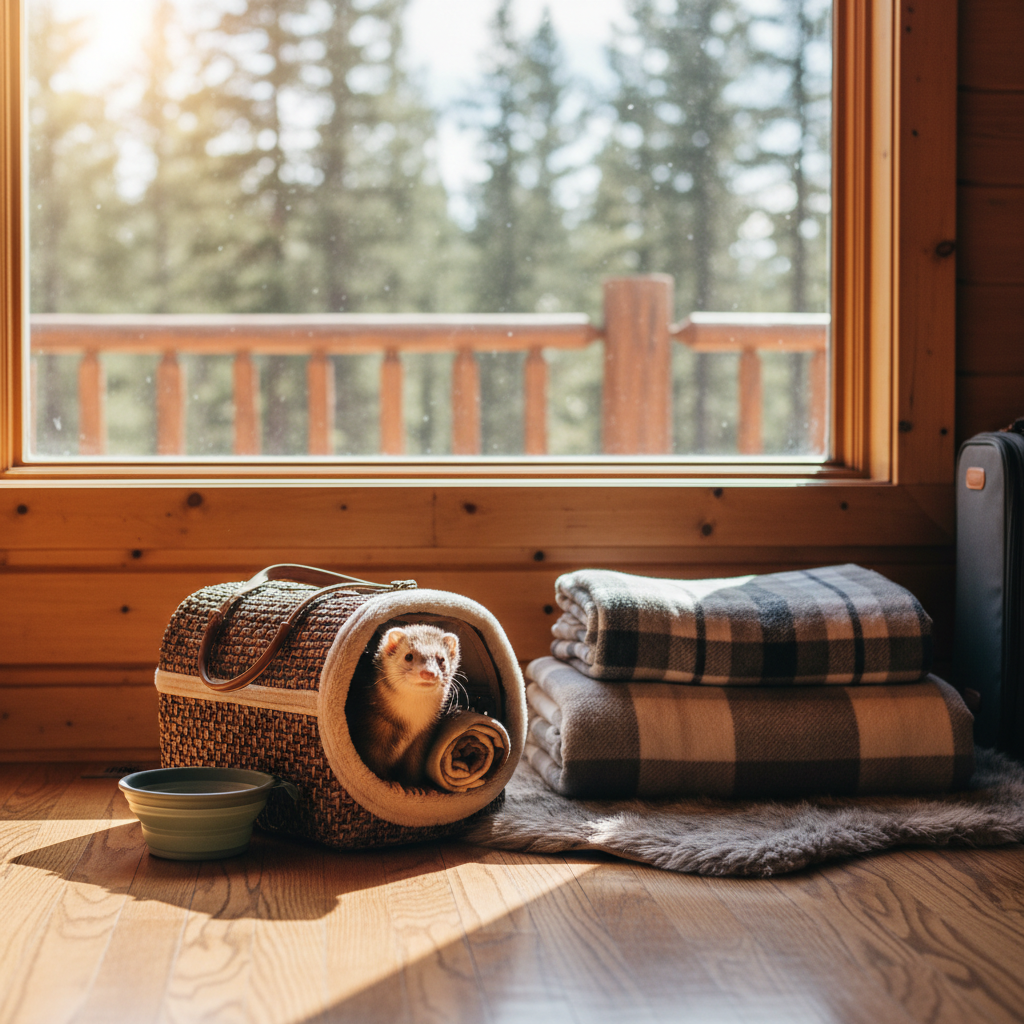

Pet-Friendly Cabin Rentals: Questions to Ask Before You Bring a Ferret
Pet-friendly cabin rentals for ferrets are specialized lodging accommodations that allow domestic ferrets (Mustela putorius furo) to reside with their owners, provided the facility meets specific safety and containment standards. Unlike dog-friendly rentals, ferret-friendly cabins must account for the unique escape-artist nature of these mustelids, their specific sanitation needs, and the legal restrictions that govern their movement in certain jurisdictions. Finding the right cabin involves a rigorous screening process to ensure the structure is free of hazardous gaps and that the management fully understands the difference between a small caged pet and a free-roaming ferret.
Understanding the Difference Between Pet-Friendly and Ferret-Friendly
When searching for a vacation rental, the term pet-friendly is often a shorthand for dogs or cats. For ferret owners, this ambiguity can lead to significant issues upon arrival. Many cabin owners who market themselves as pet-friendly may have never hosted a ferret and might have misconceptions about their behavior, odor, or containment needs. It is your responsibility as a member of the exotic pet community to bridge this communication gap before you put down a deposit.
Ferrets are classified as exotic pets in many regions. This means that a policy allowing a Golden Retriever does not automatically extend to a pair of ferrets. Some property owners fear that ferrets will chew on expensive log furniture or that their musculoskeletal structure - which allows them to fit through any gap their head can pass through - will lead to them getting lost within the cabin walls. Therefore, the first step in your travel planning is to clarify the definition of pet with the host.
Imagine arriving at a secluded mountain retreat only to be told that the ferret counts as a rodent or a wild animal, both of which might be prohibited under the specific HOA rules of the cabin community. By asking specific, targeted questions early, you protect your security deposit and ensure the safety of your pets.
Essential Legal and Policy Questions to Ask Your Host
Before discussing the physical layout of the cabin, you must clear the legal hurdles. Ferrets are subject to varying laws depending on the state, county, or even the specific municipality where the cabin is located. For example, ferrets are currently illegal to own in California and Hawaii, and certain cities like Washington D.C. have specific permit requirements.
1. Are Ferrets Explicitly Approved in Writing?
Never rely on a verbal agreement or a general pet policy. Ask the host to send a message via the booking platform specifically stating that ferrets are welcome. This protects you if a neighbor reports an unusual animal or if maintenance needs to enter the cabin.
2. Is There a Limit on the Number of Ferrets?
Many cabins have a two-pet limit. If you have a business of four ferrets, you must disclose this. Hosts often equate the number of pets with the amount of potential wear and tear. You can reassure them by explaining that your ferrets spend a significant amount of time in their enclosure and that their footprint is smaller than that of a single large dog.
3. What Are the Specific Pet Fees and Refundable Deposits?
Pet fees for cabins can vary from a flat fee per stay to a nightly rate. Ask if the fee is per animal or per group. Additionally, verify if there is a separate refundable damage deposit. Ferrets have a reputation for being mischievous, and having a clear understanding of what constitutes damage - such as carpet digging or floor staining - will help avoid disputes at checkout.
Evaluating the Cabin Structure for Ferret Safety
Cabins, especially older log-style structures or rustic A-frames, present unique hazards for ferrets. Their architecture often includes gaps that a dog owner would never notice but a ferret owner would view as a high-risk escape route. These questions target the physical safety of the environment.
4. Are There Open Vents, Floor Grates, or Unfinished Cabinetry?
Ferrets love to explore dark, enclosed spaces. In a cabin setting, this often means heading for the HVAC vents or the gap underneath the kitchen cabinets (the toe-kick area). Ask the host if the cabinets are closed to the floor or if there are exposed spaces behind the appliances. According to many experienced travelers, an unfinished cabin kitchen is the number one location where pet ferrets are lost during vacations.
5. What Type of Flooring is Installed?
Ferrets are prone to accidents, especially in new environments where they haven't established their litter box corners yet. Wall-to-wall carpeting in a rental is a red flag. It is much easier to manage a ferret in a cabin with hardwood, tile, or laminate flooring. If the cabin is carpeted, you should ask if you are permitted to bring plastic floor runners or exercise pens to create a designated ferret-safe zone.
6. Do the Windows and Doors Have Secure, Fine-Mesh Screens?
Fresh mountain air is a staple of the cabin experience, but an open window with a loose screen is a catastrophe waiting to happen. Ask the host about the condition of the screens. Ferrets can easily push through a standard fly screen if it isn't securely framed. If the screens are flimsy, you will need to keep the windows closed or bring your own portable window guards.
Clarifying Sanitation and Maintenance Protocols
Maintenance and housekeeping are major concerns for cabin owners hosting ferrets. Because ferrets have a distinct natural musk and specific bathroom habits, you must be proactive in discussing how you will maintain the property's cleanliness.
7. Where Can I Dispose of Soiled Litter?
Cabin rentals often have specific rules regarding trash disposal to prevent attracting wildlife like bears or raccoons. Ask where you should dispose of used ferret litter and puppy pads. Some hosts may require you to bag the waste double and take it to a centralized dumpster rather than leaving it in the kitchen trash can.
8. Will Housekeeping or Maintenance Enter During My Stay?
This is a critical safety question. If a maintenance worker enters to fix a leaky pipe and leaves the door open, your ferret could be out the door in seconds. Always ask if there are scheduled visits during your stay. If entry is required, ensure you have a Do Not Disturb sign and that your ferrets are securely locked in their travel cage before you leave the cabin for the day.
9. Are There Any Strong Scents or Pesticides Used Recently?
Ferrets have sensitive respiratory systems. Many cabins are treated for pests like ants or spiders on a regular basis. Ask the host when the last chemical treatment was performed and if they use any plug-in air fresheners or scented candles. Research shows that certain essential oils and harsh aerosols can be toxic to mustelids. Requesting that the host unplug air fresheners before your arrival can prevent respiratory distress for your pets.
Preparing Your Ferret for the Cabin Environment
Once you have found a host who answers these questions satisfactorily, your job transitions to preparation. A successful cabin stay depends as much on your equipment as it does on the location.
- The Travel Enclosure: Even if the cabin is advertised as ferret-proof, never let your ferret roam unsupervised in a new environment. Use a high-quality, collapsible travel cage or a sturdy playpen. This serves as their home base and ensures they are safe while you sleep or explore.
- Identification: Ensure your ferret is microchipped and wears a collar with a bell and an ID tag while in the cabin. The bell is particularly useful for locating them if they find a hiding spot in a large, multi-level cabin.
- Scent Association: Bring blankets or bedding from home that already smells like the ferret. This reduces their stress levels and makes the new cabin feel like their territory, which can decrease the likelihood of them trying to mark new corners.
- First Aid Kit: Local vets in rural cabin areas may not be equipped to handle exotics. Bring a ferret-specific first aid kit, including a high-calorie supplement, styptic powder, and the contact information for the nearest 24-hour emergency vet that treats ferrets.
Top Takeaways for Ferret-Friendly Cabin Travel
- Verify Legal Status: Always confirm that ferrets are legal in the destination city and state before booking a cabin.
- Pre-Screening is Key: Ask specific questions about floor vents, cabinet gaps, and screen integrity to ensure the physical space is safe.
- Get it in Writing: Ensure the host explicitly approves ferrets via the booking platform's messaging system to avoid disputes.
- Manage Waste Responsibly: Discuss trash disposal and litter management to respect the property and the surrounding wildlife.
- Containment Strategy: Use travel cages and playpens to manage your ferret's movements, especially in cabins with carpet or many hiding holes.
- Health Records: Keep a digital and physical copy of your ferret's rabies vaccination certificates, as many rentals and local laws require them for all pets.
Conclusion
Taking your ferret on a cabin retreat can be a rewarding experience that strengthens the bond between you and your pets. However, the rustic nature of cabins presents challenges that the average pet owner might overlook. By asking detailed questions about the structure, policies, and sanitation requirements of the rental, you can mitigate risks and ensure a stress-free vacation. The exotic pet community thrives on responsible ownership; by being a diligent and communicative guest, you pave the way for other ferret owners to enjoy these beautiful destinations in the future.
Always remember that you are an ambassador for your species. Leaving a cabin in pristine condition - with no odors and no damage - encourages hosts to remain ferret-friendly. With the right preparation and a transparent dialogue with your host, your next woodland getaway can be a safe and joyful adventure for your entire business.
Enjoying this post?
Get the next one sent straight to your inbox — no spam, unsubscribe anytime.