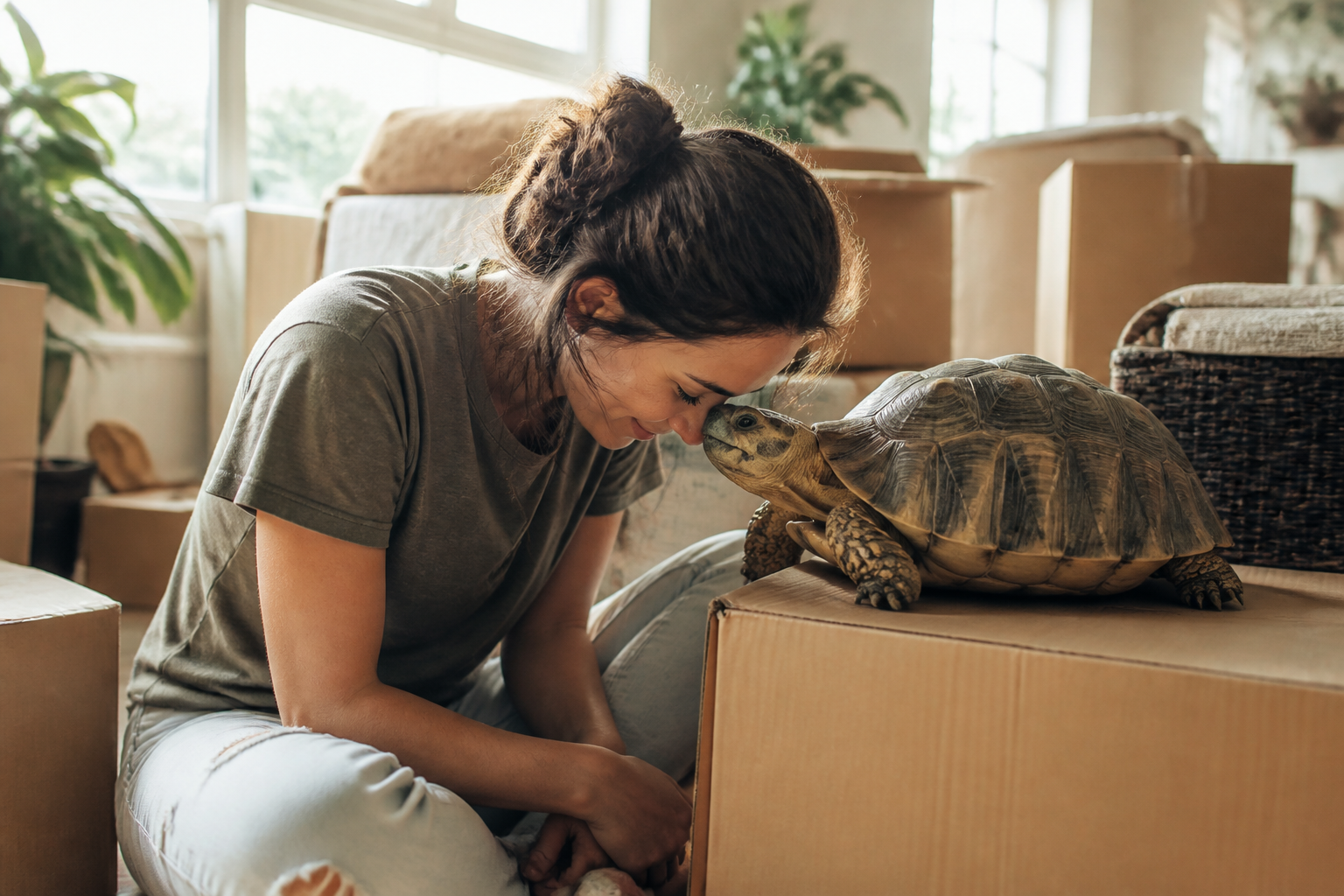

Cross Country Moves with Unusual Pets
The Emotional Toll of the Big Move
Moving your entire life across state lines is an exhausting chapter for anyone. When you add a sensitive pet like a bearded dragon, a parrot, or a rabbit to the mix, that stress can feel heavy. Your house is in boxes, your routine is shattered, and you might feel a deep pang of guilt watching your companion sense the upheaval. We understand that weight. It is not just about logistics. It is about protecting a bond with a creature that relies entirely on you for stability. While dogs and cats have dozens of travel guides, the others often get left out. This guide is here to provide the concrete steps you need to make this transition as smooth as possible for both of you.
Researching the Legal Landscape
Before you pack a single crate, you must look at the laws of your destination. Every state has unique regulations regarding exotic species. A pet that is legal in California might be restricted in Georgia. For example, ferrets are famously prohibited in certain jurisdictions. You should contact the Department of Fish and Wildlife for your new state at least 60 days before you depart.
Ask specifically about entry permits. Many states require a Certificate of Veterinary Inspection, often called a health certificate. This document is usually valid for only 30 days, so timing is critical. If you are moving with a bird that falls under CITES protections, ensure you have your federal paperwork in order. Skipping this step can lead to heartbreaking complications at a state border or upon arrival. Put these documents in a dedicated folder that stays with you in the cabin of the car, never in the moving truck.
Choosing Your Travel Method
When going cross country, you generally have two choices: driving or flying. For many exotic pets, driving is the superior option because you maintain total control over temperature and noise.
If you drive, invest in a high quality travel enclosure. This should be smaller than their permanent home to prevent them from being tossed around during turns, but large enough for them to turn around. For reptiles, you must plan for heat. A power inverter for your car can run small heat mats or ceramic heat emitters. Remember that car temperatures can fluctuate wildly. A thermometer with a remote sensor allows you to monitor the pet cage from the driver seat without stopping.
If you must fly, you must check airline policies months in advance. Many airlines only allow cats and dogs in the cabin. Specialized shippers like Royal Feathers or AirBound Pets handle exotic transport, but these services can cost between 500 and 1500 dollars depending on the species and distance.
Packing the Ultimate Travel Kit
Moving day is chaotic. You do not want to be digging through a cardboard box labeled kitchen to find your pet's favorite greens or heat lamp. Pack a dedicated travel bag for your pet containing the following items:
- Bottled water from your current home. Sudden changes in water mineral content can cause digestive upset in small mammals and birds.
- Three days of fresh food and two weeks of dry food.
- Standard cleaning supplies like paper towels and a pet safe disinfectant spray.
- Extra bedding or substrate.
- A first aid kit including styptic powder and tweezers.
- Battery powered backup fans or heaters.
The Journey: Keeping Stress Low
On the road, consistency is your best tool. Try to keep feeding times as close to the normal schedule as possible. For birds, covering the cage with a light breathable cloth can prevent motion sickness and reduce the stress of passing headlights. For reptiles, remember that they may choose not to eat during travel due to the vibration of the car. This is generally okay for a few days as long as they stay hydrated.
Never leave your pet alone in a parked car. During hotel stays, use a Do Not Disturb sign and keep your pet in the bathroom if the room is shared with others. This creates a secondary barrier to prevent an accidental escape when the door opens. Look for pet friendly hotel chains like La Quinta or Kimpton, but always call ahead to confirm they accept your specific species.
Setting Up the New Home
When you finally arrive at your new house, your pet should be the first thing you tend to. Before you even move the sofa, find a quiet permanent spot for their enclosure. This area should be away from the main traffic flow of movers and heavy lifting.
Assemble the full sized habitat immediately. Use the old substrate and decorations without cleaning them first. The familiar scent of their own territory will act as a security blanket in a room that smells like fresh paint and cardboard. If your pet is a free roaming animal like a rabbit, use exercise pens to limit their space initially. Giving them access to a whole house right away can be overwhelming.
The Adjustment Period
It takes time for a pet to realize the move is over. You might notice changes in behavior. A parrot might be quieter than usual, or a leopard gecko might stay in its hide for several days. This is normal. Monitor their weight and their droppings. If a small mammal stops eating for more than 12 to 24 hours, contact a local vet immediately.
Speaking of vets, find your new local exotic specialist before you move. Do not wait for an emergency. Having a name and address pinned to your fridge the first day you arrive provides a safety net that reduces your own anxiety.
Final Professional Advice
Every move is a marathon. Take breaks and check on your companion every two hours during the drive. Talk to them in a calm voice. They might not understand your words, but they understand your tone. With a bit of planning and the right documents, you can turn a stressful relocation into a safe adventure. Your unique pet is a member of the family, and seeing them finally relax in their new sunny spot makes every mile worth the effort.
Enjoying this post?
Get the next one sent straight to your inbox — no spam, unsubscribe anytime.