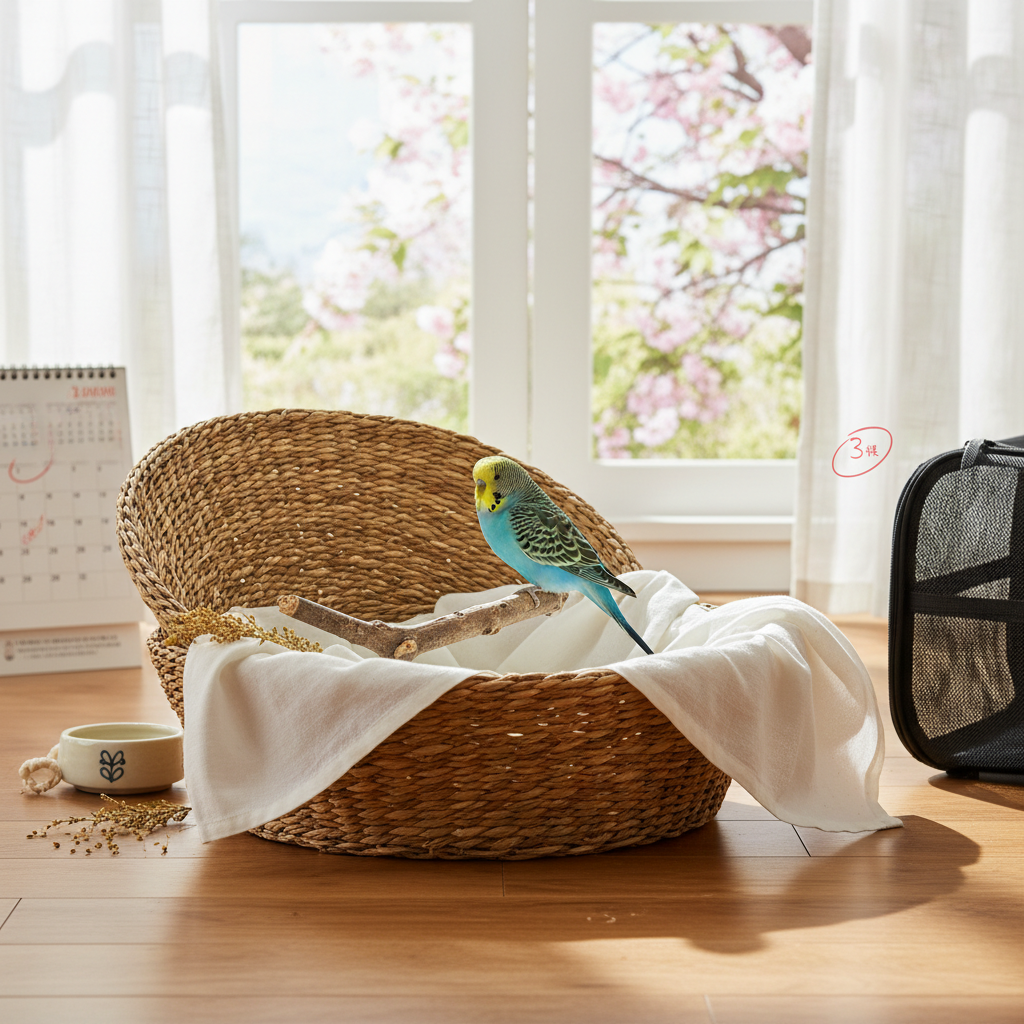

Moving a Bird to a New Home: A Three-Week Adjustment Plan
Moving a bird to a new home is a complex physiological and psychological transition that requires a structured, multi-week approach to prevent stress-induced illness or behavioral regression. Because psittacines and other common companion birds are highly sensitive to environmental changes, a successful relocation depends on gradual acclimation, maintaining consistent routines, and neutralizing potential airborne toxins in the new living space. By following a strategic three-week adjustment plan, bird owners can minimize the cortisol spikes associated with travel and territory changes, ensuring the bird feels secure in its new surroundings.
Week One: The Transition and Immediate Stabilization
The first week of moving a bird to a new home is the most critical phase for physical safety and emotional grounding. This period begins the moment you cross the threshold of the new residence. The primary goal during these initial seven days is to establish a 'safe zone' where the bird can observe the new environment without feeling vulnerable to perceived predators or overwhelming stimuli.
Before the bird even enters the house, the environment must be vetted for safety. Many new homes contain hidden avian hazards, such as self-cleaning oven cycles, recently applied floor waxes, or fresh paint fumes. Research shows that bird respiratory systems are incredibly efficient, which unfortunately makes them uniquely susceptible to airborne particulates. Ensure the new home has been thoroughly aired out and that no 'new house' smells remain before the bird occupies its permanent room.
During moving day, keep the bird in its travel carrier until the heavy lifting of furniture is complete. The sound of shouting, heavy footsteps, and banging crates can be terrifying for a creature that views loud, sudden noises as a signal of approaching danger. Once the chaos has subsided, place the bird in its permanent cage in a quiet corner of the house. This corner should ideally have two walls behind it to provide a sense of security, preventing the bird from worrying about threats from behind.
In this first week, focus on 'low-impact' interaction. While you may be tempted to take the bird out and show it the new house, resist this urge. The bird needs to learn the 'topology' of its new cage and the immediate room from the safety of its perches. Observe your bird for signs of stress, which may include feather picking, decreased appetite, or staying at the bottom of the cage. If the bird is eating and drinking normally, you are on the right track. Maintain the exact same feeding schedule and diet used in the previous home to provide a sense of continuity.
Week Two: Expanding the Comfort Zone
By the second week, most birds have adjusted to the ambient sounds and light patterns of the new home. This is the time to start expanding their world beyond the bars of the cage, provided they are showing signs of confidence, such as chatter, preening, or playing with familiar toys.
Start by opening the cage door during designated 'play times' while you are in the room. Do not force the bird to come out; instead, let them choose when to explore the exterior of the cage. This period of the adjustment plan focuses on visual acclimation. Birds rely heavily on sight, and a new layout of furniture can look like a forest of obstacles. If the bird is flighted, ensure all windows have decals or sheer curtains so they do not accidentally fly into the glass, as they do not yet understand the boundaries of this new space.
During week two, introduce 'training sessions' to rebuild the bond that might have been strained by the stress of the move. Simple 'step-up' commands or target training with high-value treats can reinforce your role as a source of safety and positivity. Many people find that spending 15 minutes twice a day in focused interaction helps the bird realize that while the scenery has changed, the social structure remains intact.
This is also the time to monitor the 'micro-climate' of the bird's new spot. Check for drafts from air conditioning vents or heat from direct sunlight that might not have been apparent during the first few days. According to many avian behaviorists, a stable temperature and lighting cycle (ideally 10-12 hours of darkness) are essential for hormonal balance during a move. If the new house is louder than the old one, consider using a white noise machine or soft classical music to mask startling exterior sounds like traffic or neighbors.
Week Three: Establishing the Permanent Routine
The third week marks the transition from 'moving' to 'living.' By now, the bird should be comfortable eating, bathing, and sleeping in the new environment. The goal of this final week in the adjustment plan is to solidify the long-term routine that will define their life in this home.
Consistency is the most powerful tool for an avian owner. Birds thrive on predictability. Use this week to set a 'hard' schedule for waking up, feeding, out-of-cage time, and bedtime. If your new commute or lifestyle change means you will be away at different times than before, this is the week to finalize that shift so the bird can adapt to the 'new normal.'
Consider the social placement of the cage. If you tucked the bird away in a quiet room for the first two weeks, you might now decide to move them closer to the center of household activity, such as the living room. However, only do this if the bird is a social species that enjoys interaction. If they seem hesitant or fearful, it is perfectly acceptable to keep their primary residence in a quieter area and provide a secondary 'play stand' in the high-traffic zones.
Finally, week three is the time for a post-move wellness check with an avian veterinarian. The stress of moving can sometimes suppress the immune system, allowing subclinical infections to surface. A quick physical exam and fecal smudge can provide peace of mind that the bird has physically survived the move without hidden issues. This also allows you to establish a relationship with a local vet in your new area before an emergency occurs.
Common Pitfalls to Avoid During Relocation
One of the most frequent mistakes owners make is changing the bird's cage or toys at the same time they move to a new house. For a bird, the cage is their 'territory' and their primary source of security. Changing the 'furniture' inside their home while the 'world' outside is changing creates a double-dose of instability. Wait at least a month after moving before introducing a new cage or a total toy overhaul.
Another pitfall is neglecting water quality. If you have moved to a different city or state, the mineral content and chlorination of the tap water may be significantly different. Some birds are sensitive to these changes and may stop drinking or develop digestive upset. Imagine moving from a soft water area to a hard water area; the taste difference is noticeable even to humans. Consider using bottled or filtered water during the three-week transition to ensure the bird remains hydrated.
Avoid 'flooding' the bird with visitors. Friends and family may want to see the new house and meet the bird, but a parade of strangers can be overwhelming for a bird that hasn't yet claimed the living room as its own. Limit guests during the first 14 days, and when people do visit, instruct them not to approach the cage or try to handle the bird unless the bird actively solicits attention.
Understanding Avian Body Language During the Move
To successfully navigate the three-week plan, you must be an expert on your bird's body language. Every species communicates stress differently. A cockatoo might scream or crest-flash, while a finch might become deathly silent and puffed up.
- Eye Pinning: Rapidly dilating and contracting pupils can signify excitement or intense fear. In a new home, it often leans toward the latter.
- Beak Grinding: This is usually a sign of contentment and relaxation. If you hear this during week one, it indicates the bird is settling in well.
- Wing Drooping: This can indicate physical exhaustion or illness. Moving is hard work for a bird's nervous system, and they may need more sleep than usual.
- Tail Fanning: This is often a display of aggression or territory defense. If the bird fans its tail when you approach the cage in the new house, it may be feeling protective because it doesn't yet feel safe.
By paying close attention to these cues, you can decide whether to move faster or slower through the three-week plan. If the bird is still terrified by day 10, stay in the 'Week One' phase for another few days. There is no prize for rushing the process; the goal is a happy, healthy bird.
Takeaways for a Smooth Avian Relocation
- Prioritize Air Quality: Ensure the new home is free of VOCs, Teflon fumes, and heavy scents before the bird enters.
- Safety First: Keep the bird in its cage until the physical move of furniture is complete to avoid accidents or escapes.
- Maintain Familiarity: Use the same cage, toys, and food during the first month to provide a sense of continuity.
- Observe and Adjust: Use the bird's body language to dictate the pace of the three-week adjustment plan.
- Vet Visit: Schedule a wellness check in the third week to ensure the bird's immune system has handled the stress well.
- Water Consistency: Be mindful of changes in tap water taste and quality between different geographic locations.
Moving is a major life event for both humans and pets, but for birds, it is a total shift in their perceived reality. By implementing a patient, structured three-week adjustment plan, you are not just moving their cage; you are rebuilding their sense of safety and belonging. For more tips on traveling with exotic pets or finding the best avian-friendly resources in your new neighborhood, explore our other guides at Pets in the Hood.
Enjoying this post?
Get the next one sent straight to your inbox — no spam, unsubscribe anytime.