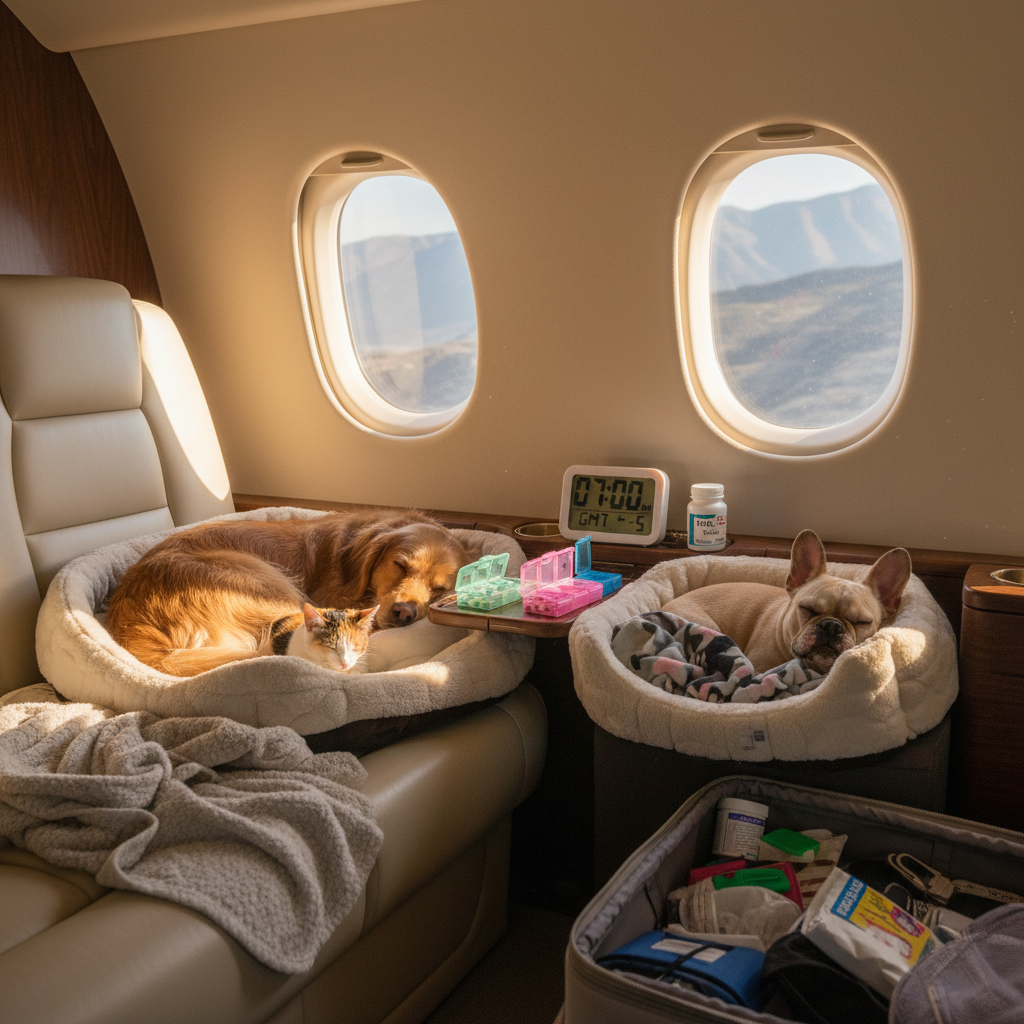

Medication Schedules While Traveling: Keeping Pets on Routine Across Time Zones
A pet medication schedule while traveling is a structured plan designed to maintain the therapeutic concentration of drugs in a pet's bloodstream despite changes in time zones, travel delays, or environmental disruptions. For pets with chronic conditions like epilepsy, diabetes, or heart disease, consistency is not merely a convenience but a medical necessity. Maintaining a routine requires pre-travel planning, tool integration, and a clear strategy for shifting dosage times incrementally to align with the destination's clock without risking toxicity or breakthrough symptoms.
Understanding the Importance of Timing in Pet Medication
When a veterinarian prescribes a medication to be given every twelve hours, they are aiming for a specific 'steady state' in the pet's body. This means the amount of drug being absorbed equals the amount being cleared. When travel disrupts this rhythm, levels can drop too low-leading to a recurrence of symptoms-or spike too high, potentially causing adverse reactions. For exotic pets like ferrets with insulinoma or birds with heart conditions, even a two-hour delay can have significant physiological consequences.
Consistency also helps manage the pet's stress levels. Pets thrive on predictability. If their medication is tied to a meal or a specific ritual, the act of receiving the pill or injection provides a sense of normalcy in an otherwise chaotic travel environment. This psychological comfort is often overlooked but remains a cornerstone of successful pet travel management.
Pre-Travel Preparation and Documentation
Before leaving your home zip code, a thorough audit of your pet's medical needs is essential. This begins with a visit to the veterinarian at least four weeks before departure. This window allows you to discuss the specific time zone changes you will encounter and adjust the schedule under professional supervision.
The Travel Health Portfolio
You should compile a physical and digital folder containing your pet's prescription history. Research shows that having a hard copy of prescriptions can save hours of time if you need an emergency refill at a destination pharmacy. This portfolio should include:
- The generic and brand names of all medications.
- The exact dosage and concentration (e.g., 5mg/ml).
- Your veterinarian's direct contact information.
- A summary of the condition being treated.
- Clear instructions for what to do if a dose is missed.
Supplies and Backups
Always carry more medication than you think you will need. A common rule among frequent travelers is to pack a 25 percent surplus. Flight cancellations, car breakdowns, or unexpected extensions of your stay can leave you stranded without access to a specialized pharmacy. If your pet requires refrigerated medication, such as certain types of insulin, invest in a high-quality, medical-grade cooling case with a built-in thermometer. Many people find that using a dedicated cooler bag with gel packs keeps medications within the safe temperature range for up to 24 hours during transit.
Managing Time Zone Shifts Strategically
The most complex aspect of traveling with a medicated pet is crossing multiple time zones. If you are moving forward or backward by only one or two hours, most veterinarians agree that you can simply shift to the new time immediately or over the course of two days. However, international travel or cross-continental trips require a more nuanced approach.
The Incremental Adjustment Method
To minimize the impact on your pet's internal clock, consider shifting the medication time by 30 to 60 minutes each day leading up to your trip. For example, if you are traveling from New York to London (a five-hour difference), start giving the medication an hour earlier every day for five days before you leave. By the time you land, your pet will already be on the local schedule.
The 'Home Time' Strategy
For short trips of three days or less, it is often easier to keep the pet on their 'home' time zone regardless of the local clock. This avoids the confusion of shifting schedules twice in a short period. If your pet takes a pill at 8:00 AM in California, and you are visiting New York, you would continue to give that pill at 11:00 AM local time. While this may require you to wake up in the middle of the night or step out of a dinner engagement, it provides the most stability for the pet's biology.
Technology and Tools for Consistency
In the digital age, humans have access to numerous tools that can automate the reminder process. Relying on memory during travel is risky due to the distractions of navigation, luggage management, and the general fatigue associated with transit.
Digital Reminders and Alarms
Set multiple alarms on your smartphone, but ensure they are set to 'fixed' times that do not automatically update when your phone changes time zones. Many travelers find that using a dedicated 'Medication Tracker' app allows them to log each dose, which is invaluable if multiple family members are sharing the caregiving duties. This prevents double-dosing or missed doses.
Physical Pill Organizers
Use a weekly or daily pill organizer, but label the compartments with the time of day rather than just 'Monday' or 'Tuesday.' For complex regimens involving multiple medications, many people find it helpful to use color-coded stickers. If your pet takes a liquid medication, pre-fill syringes (if safe for the medication) or have them ready to go in a dedicated pouch. For exotic pets like reptiles or birds, who may require very small doses, having pre-measured amounts can prevent calculation errors during a stressful flight or drive.
Handling Transitions: Flights and Car Rides
The physical act of moving from point A to point B introduces variables like cabin pressure, motion sickness, and restricted access to the pet. If your pet is traveling in the cargo hold (which Pets in the Hood generally discourages for exotics), you must coordinate with the airline's animal care policy. However, for pets in the cabin or in a vehicle, you have more control.
Administering Meds in Transit
If you are driving, plan your stops around your pet's medication schedule. Imagine a scenario where you are on a highway with no exits for 30 miles just as the alarm goes off. To avoid this, pull over 15 minutes early in a safe, quiet area. If you are on a plane, ensure you have easy access to the medication under the seat in front of you. Do not put essential meds in the overhead bin where they may be inaccessible during turbulence.
Dealing with Motion Sickness
Some medications must be taken with food. However, travel often causes nausea. If your pet is prone to motion sickness, talk to your vet about an anti-emetic that can be administered prior to travel. This ensures they can keep their primary medication down. If a pet vomits within 30 minutes of receiving their dose, contact a veterinarian to ask if a repeat dose is necessary, as absorption rates vary by drug type.
Emergency Scenarios and Local Care
Despite the best planning, emergencies happen. Being prepared for a 'worst-case' scenario is the final step in a robust travel medication plan.
Finding a Local Veterinarian
Before you arrive, identify the nearest 24-hour emergency veterinary clinic at your destination. If you are traveling with an exotic pet, ensure the clinic has a specialist on staff who can treat your specific species. Information for an avian vet or a herpetologist is much harder to find at 3:00 AM in an unfamiliar city than it is during your pre-travel research phase.
Lost or Damaged Medication
If medication is lost or becomes contaminated (e.g., a refrigerated vial gets too warm), do not panic. This is where your Travel Health Portfolio becomes vital. Most human pharmacies can dispense certain pet medications if you have a valid prescription, though many specialized veterinary drugs must come from a clinic. If you are abroad, be aware that brand names may differ, but the generic chemical name should help a local professional identify the correct substitute.
Key Takeaways for Success
- Start planning at least four weeks before departure with a veterinary consultation.
- Use the incremental adjustment method for significant time zone changes (shifting 30 to 60 minutes per day).
- Maintain a Travel Health Portfolio with physical and digital copies of all prescriptions.
- Carry a 25 percent surplus of all medications and supplies.
- Set fixed-time alarms that do not auto-adjust with your phone's clock.
- Identify emergency veterinary care at your destination specifically for your pet species.
Supporting Your Pet's Health Abroad
Traveling with a pet who requires regular medication can feel overwhelming, but it shouldn't stop you from exploring the world together. By treating the medication schedule as a core part of your travel logistics-as important as your own passport or tickets-you ensure that your pet remains healthy and happy regardless of the time zone. Remember, your calm demeanor will help your pet stay relaxed. When you are prepared with the right tools and a solid plan, the routine becomes second nature, allowing you both to focus on the joy of the journey.
For more specialized tips on traveling with 'non-traditional' pets, explore our other resources on Pets in the Hood. Whether you are flying with a ferret or road-tripping with a rescue, we have the insights you need to make every mile a success. Safe travels and happy dosing!
Enjoying this post?
Get the next one sent straight to your inbox — no spam, unsubscribe anytime.