Joining Pet Owner Groups in a New City: Where to Actually Look
Joining pet owner groups in a new city is the process of locating, vetting, and integrating into local communities of animal enthusiasts to share resources, find trusted veterinary recommendations, and establish social connections for both the owner and the pet. For those relocating with non-traditional or exotic animals, these networks serve as vital lifelines for sourcing specialized supplies and emergency care information. Finding the right community requires a multi-platform approach, blending digital discovery with physical attendance at local animal-centric spaces to ensure a good fit for your specific lifestyle and pet species.
The Strategic Importance of Pet Communities After a Move
Moving to a new city presents a unique set of challenges for pet owners, especially those who care for animals with specific environmental or dietary needs. Establishing a local network is not just about social engagement; it is a fundamental part of responsible pet ownership. When you relocate, you lose your established network of trusted sitters, specialized boarding facilities, and the local knowledge of which parks are truly safe or which shops carry high-quality reptile substrates or rare bird seeds.
Pet owner groups provide a repository of localized knowledge that search engines often miss. While a generic review site might give a vet four stars, a local breed-specific group can tell you if that vet has the specific equipment needed for a rabbit's dental work or if they are truly 'fear-free' certified. Furthermore, these groups offer emotional support. The stress of moving can affect animals significantly, and speaking with neighbors who have navigated similar transitions with their pets can provide much-needed perspective and practical tips for acclimating your companion to a new climate or housing type.
Where to Start: Digital Hubs for Local Connections
In the modern era, the first step in finding your 'pack' is almost always digital. However, the effectiveness of a platform often depends on the type of pet you own and the culture of the city you have moved to.
Hyper-Local Neighborhood Apps
Platforms like Nextdoor or localized Facebook Groups are excellent for general pet ownership needs. Because these platforms are gated by geography, the advice you receive is inherently relevant to your immediate surroundings. This is where you will find out about the 'hidden' dog run that isn't on Google Maps or which local bakery makes the best dog-safe birthday cakes. For exotic pet owners, these groups are useful for identifying neighbors who might also keep chickens, bees, or indoor rabbits, allowing for the exchange of hyper-local resources like fresh straw or specialized waste disposal services.
Interest-Specific Forums and Discord Servers
For owners of exotic pets, such as reptiles, amphibians, or small mammals, general neighborhood apps may not provide enough depth. In these cases, look for Discord servers or specialized forums that have 'local' or 'regional' sub-channels. Many regional herpetological societies or house rabbit enthusiasts maintain active online presences where membership is vetted. These spaces are often more technical and can be invaluable if you need to find a specialized 'exotic' veterinarian on short notice in a new metropolitan area.
Meetup and Social Coordination Sites
Meetup.com remains a powerhouse for organized pet activities. Search for terms like 'Pack Walks,' 'Corgi Meetups,' or 'Parrot Socials.' These groups are designed specifically for in-person interaction, making them the fastest way to transition from an online connection to a real-world friendship. If a group for your specific pet doesn't exist, these platforms make it relatively simple to start your own, often attracting other 'hidden' owners in the area who were waiting for someone else to take the lead.
Physical Locations: Bridging the Gap in Person
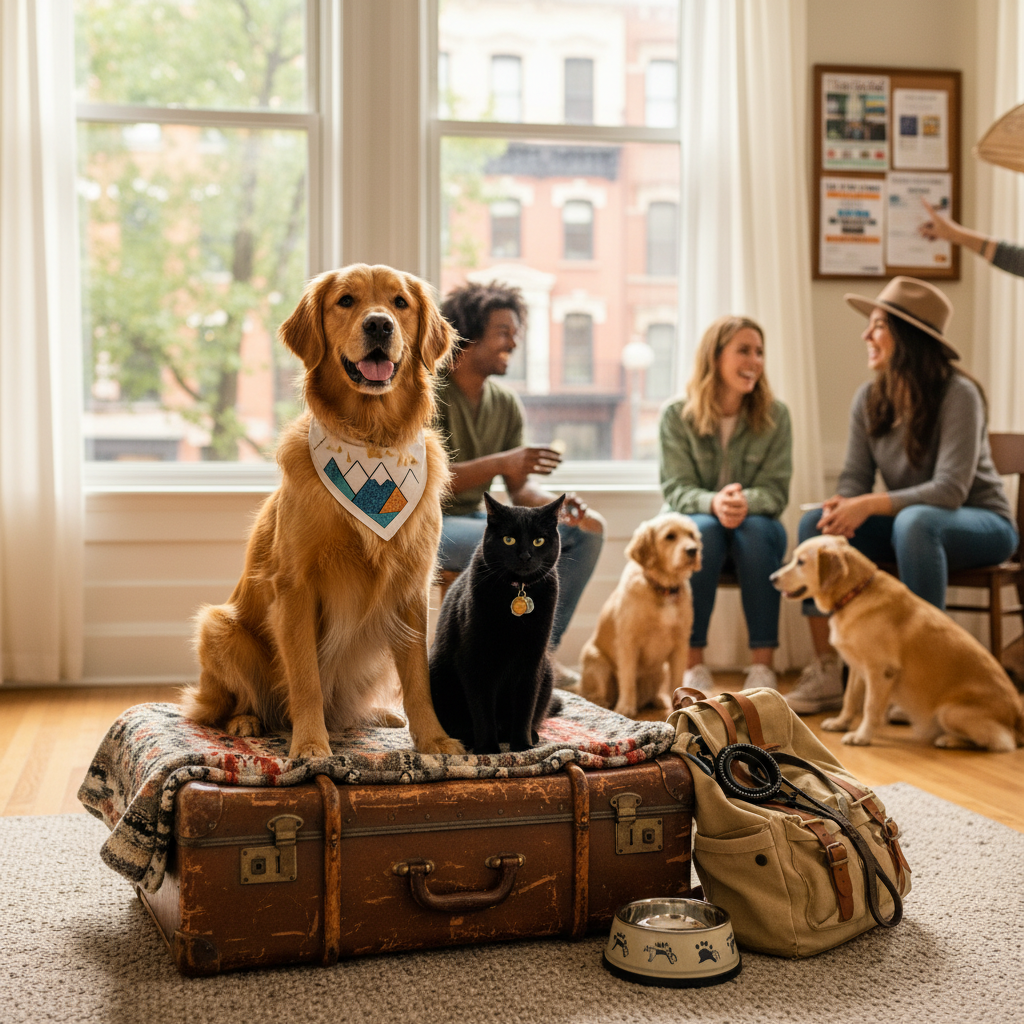
While the internet is a great starting point, the strongest bonds are often formed in the physical spaces where pet owners naturally congregate. Research shows that 'third places' - social surroundings separate from the home and the workplace - are essential for community building.
Specialized Pet Boutiques and Feed Stores
Small, independent pet stores are the town squares of the pet world. Unlike big-box retailers, independent shop owners often know their customers by name and are deeply embedded in the local pet culture. They frequently host adoption events, training workshops, or 'yappy hours.' Check the bulletin boards near the entrance. You will often find flyers for local walking groups, lost pet alerts, and advertisements for boutique pet sitters that come highly recommended by the shop staff. For those with livestock or exotic pets, local feed stores or specialty reptile shops are the primary hubs for connecting with others in the hobby.
Dog Parks and Communal Green Spaces
For dog owners, the local park is the most obvious choice, but it requires a strategy. To build a consistent community, many people find that visiting the park at the same time every day is the most effective way to meet the 'regulars.' Observe the group dynamics before entering; look for owners who are engaged with their pets and respectful of others' space. Over time, these daily interactions evolve into 'park friendships' where owners look out for one another's pets and share valuable local intel.
Training Classes and Hobbyist Clubs
Signing up for a local training class - whether it is basic puppy manners, feline agility, or parrot socialization - is a fantastic way to meet focused, dedicated pet owners. Shared activities create an immediate common ground. Similarly, breed-specific clubs or hobbyist organizations (like a local aquarium society) provide a structured environment for learning and socializing. These organizations often hold monthly meetings, guest speaker events, and annual shows, providing a consistent schedule for social interaction.
Navigating the Exotic Pet Community
Owners of non-traditional pets often face a steeper hill when trying to find a community. Because exotic pets are less common, their owners are usually more spread out geographically. However, the bonds in these communities are often tighter due to the shared 'niche' interest.
If you have moved with an exotic pet, consider reaching out to the nearest specialized rescue or sanctuary. Even if you aren't looking to adopt, these organizations are run by experts who know exactly where to find the best supplies and medical care in the region. Volunteering for a few hours a month at such a place is a surefire way to meet like-minded individuals who understand the unique joys and challenges of your specific animal.
Additionally, look for regional 'fairs' or 'expos.' Even if they only happen once or twice a year, these events are the primary gathering spots for the wider community. Collect business cards, join the mailing lists of local vendors, and don't be afraid to ask, 'I'm new to the area; do you know of any local meetups for people with [your pet]?'
Vetting a New Group: Safety and Compatibility
Not every pet group will be a good fit for you or your animal. It is important to vet any new community to ensure it aligns with your pet's needs and your own social comfort levels. When joining a new group, consider the following:
- Safety First: For dog groups, does the group advocate for leashed or unleashed interactions? Do they check for vaccination status? For exotic groups, does the community promote ethical keeping and high standards of welfare?
- Communication Style: Is the online group moderated properly? Groups that allow bullying or misinformation can be more stressful than helpful.
- Activity Level: Does the group's physical activity level match your pet's? A 'hiking with hounds' group might be too intense for an older dog, while a 'tea with turtles' group might be too slow for an active reptile keeper looking for field herping opportunities.
- Demographics and Location: Ensure the group meets in areas that are accessible to you and at times that fit your new schedule. A group that only meets at 10 AM on Tuesdays isn't helpful if you work a standard 9-to-5 job.
Takeaways for the Relocating Pet Owner
- Start Early: Begin searching for digital groups a few weeks before you actually move to get a head start on recommendations.
- Use Multiple Platforms: Combine hyper-local apps like Nextdoor with niche-specific forums and in-person visits to independent shops.
- Be a Regular: Consistency is key in physical spaces like parks or training centers to build lasting connections.
- Check Bulletin Boards: Physical flyers in local shops often contain community gems that aren't listed online.
- Give Back: Join as a contributor, not just a consumer of information. Sharing your own experiences helps solidify your place in the new community.
- Prioritize Ethics: Ensure the groups you join align with humane, science-based care for your specific pet species.
Building Your Support System
Building a community in a new city takes time, patience, and a bit of social courage. Whether you are walking a Great Dane or carrying a lizard in a travel carrier, remember that your pet is the ultimate 'icebreaker.' Most pet owners are proud of their companions and are happy to talk about them with someone who shows genuine interest. By positioning yourself in these shared spaces - both digital and physical - you ensure that your transition to a new city is supported by a network of people who understand that pets aren't just property, they are family.
If you find that your specific niche is missing from your new city, do not be afraid to create it. A simple post on a neighborhood board saying, 'New to the area with a pet ferret, looking for others to share tips!' can often be the catalyst for a whole new local chapter of enthusiasts. Your future community is likely out there, waiting for the same connection you are.
For more resources on traveling with exotic pets and navigating life in a new hood, explore our other guides at Pets in the Hood.
Enjoying this post?
Get the next one sent straight to your inbox — no spam, unsubscribe anytime.