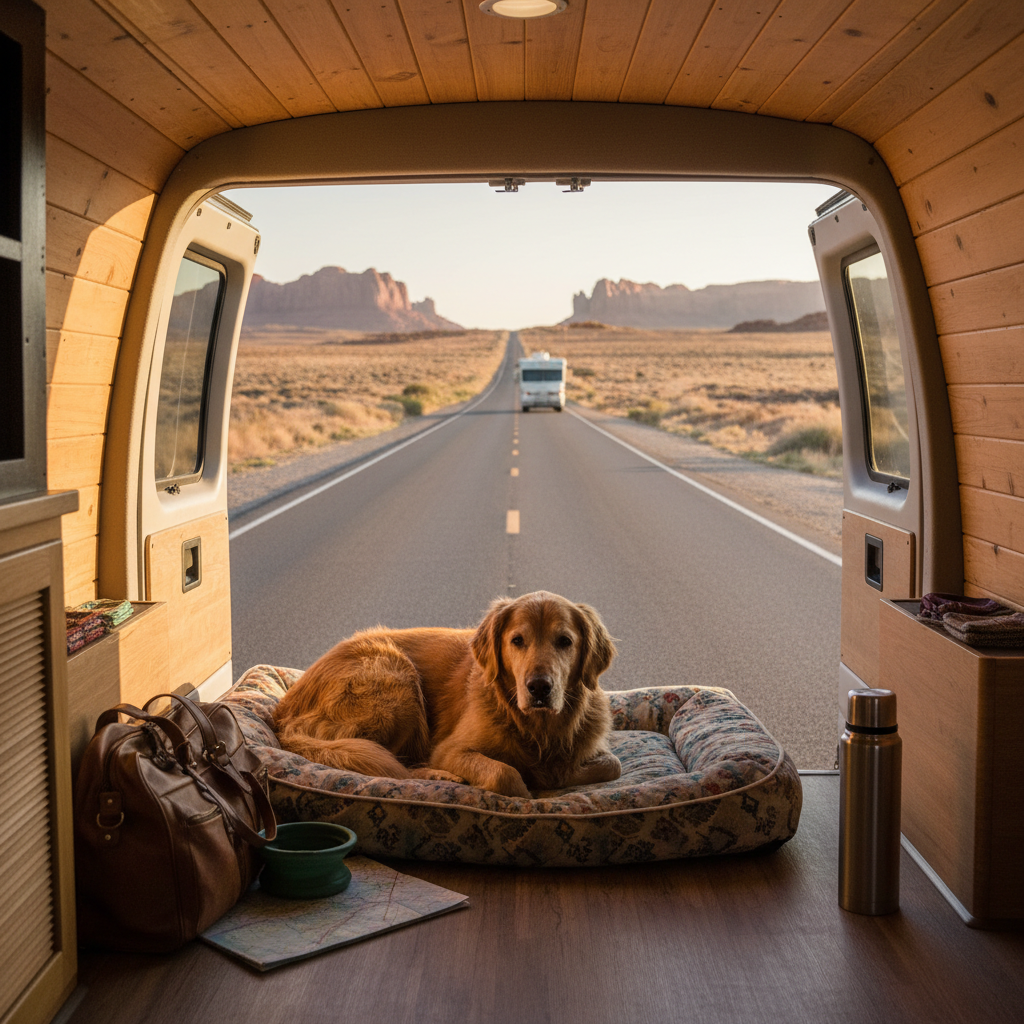

How to Plan a Cross-Country Road Trip with a Senior Dog
A cross-country road trip with a senior dog is a deeply rewarding experience that allows aging pets to explore new environments alongside their favorite humans, provided the itinerary is tailored to their physical and cognitive needs. Successfully navigating long-distance travel with an older canine involves meticulous health screening, the implementation of orthopedic support within the vehicle, and a flexible schedule that prioritizes frequent mobility breaks. By focusing on comfort over speed, pet owners can ensure that their senior companions enjoy the transition from one coast to another without unnecessary stress or physical strain.
Understanding the Physical Needs of Senior Dogs on the Road
Traveling with a senior dog is fundamentally different from traveling with a puppy or an adult dog. As dogs age, their ability to regulate body temperature decreases, their joints become stiffer, and their cognitive function may begin to decline. Recognizing these changes is the first step in planning a long-distance excursion. Many people find that senior dogs become more sensitive to changes in routine, which can manifest as anxiety or reluctance to enter the vehicle.
Mobility is often the most significant challenge. Arthritic joints can make it difficult for an older dog to jump into a high SUV or stay steady during sharp turns. Research shows that consistent, gentle movement is beneficial for senior dogs, but the vibration and confinement of a car can lead to stiffness. To combat this, experts recommend investing in high-quality ramps or folding stairs. This eliminates the impact on their front and back legs during exits and entries. Additionally, the interior of your car should be modified with non-slip surfaces. Dog-specific seat covers with traction or thin yoga mats can provide the grip an older dog needs to feel secure while the car is in motion.
Temperature control is equally vital. Senior dogs are more prone to heatstroke and hypothermia because their bodies do not compensate for environmental changes as efficiently. Even if you feel comfortable, the area in the back of a van or SUV may be warmer or cooler. Utilizing remote temperature monitors that sync to your phone can provide peace of mind, ensuring your pet remains in a climate-controlled zone at all times.
Pre-Trip Health Certificates and Veterinary Consultations
Before embarking on a multi-state journey, a comprehensive veterinary check-up is non-negotiable. Senior dogs often have underlying conditions that may not be apparent during daily activities at home but could be exacerbated by the stress of travel. According to many veterinary professionals, a pre-trip exam should include blood work to check organ function, particularly if the dog is on daily medication.
Discuss your route with your veterinarian, especially regarding altitude changes. If you are traveling through mountain passes, the thinner air can be difficult for dogs with heart conditions or respiratory issues. Your vet may recommend supplemental oxygen or specific medications to manage altitude sickness. Furthermore, ensure your dog is up to date on all vaccinations required by the states you will be visiting. While rabies is standard, some regions may have higher instances of Leptospirosis or Lyme disease, requiring additional protection.
Documentation is your best friend during a cross-country trip. Carry a physical folder and digital copies of your dog's medical records, a recent photo, and a list of emergency vet clinics located along your route. In the event of an emergency, having a printed summary of your dog's current medications and dosages saves precious time. Many pet owners find it helpful to use apps that track medical history, ensuring that even in areas with poor cell service, the vital information is accessible.
Adapting Your Itinerary for Frequent Rest and Hydration
Aggressive drive times of ten or twelve hours are generally not suitable for senior dogs. A successful road trip with an older pet relies on a slower pace. Many experienced travelers find that a limit of six to seven hours of driving per day is the 'sweet spot.' This allows for a leisurely morning walk, several meaningful breaks, and arrival at your destination before sunset, which helps dogs with 'sundowning' or cognitive dysfunction stay oriented.
Rest stops should occur every two to three hours. These are not just for bathroom breaks; they are for circulation. Gentle five-minute walks help move synovial fluid through the joints, preventing the 'frozen' feeling many senior dogs experience after long periods of sitting. Imagine a scenario where you have sat in a cramped airplane seat for four hours; your dog feels that same stiffness, but without the ability to stretch their legs in the aisle.
Hydration is another critical factor. Senior dogs are more susceptible to kidney issues and dehydration. Offer water at every single stop, even if they dont seem thirsty. Using a familiar water bowl from home can encourage drinking, as some dogs are sensitive to the taste of water from different regions. If your dog is a 'picky drinker,' many owners find that adding a splash of low-sodium chicken broth can encourage them to stay hydrated throughout the day.
Finding Pet-Friendly and Senior-Accessible Lodging
When booking accommodations, the term 'pet-friendly' is only the starting point. For a senior dog, you must also look for 'accessibility.' A third-floor boutique hotel with no elevator is a nightmare for a dog with hip dysplasia. Always request ground-floor rooms near an exit to make bathroom breaks easier and reduce the distance your dog has to walk on hard, slippery lobby floors.
Consider the flooring of the hotel or Airbnb. Modern rentals often feature hardwood or tile, which can be like walking on ice for an older dog. Bringing several inexpensive runners or rugs from home can create a 'safe path' for your dog to reach their bed and water bowl. This familiarity also helps with anxiety; the scent of home on a rug can signal to a senior dog that this new space is safe.
Outdoor space is another priority. Look for locations with fenced yards or nearby quiet parks. Avoid hotels directly next to busy highways if your dog is sensitive to noise. The goal is to create a resting environment that mimics the peace of home as closely as possible. If your dog uses a specific orthopedic bed, take it with you. Do not rely on the pet beds provided by hotels, as they often lack the support necessary for aging joints.
Essential Gear for the Aging Canine Traveler
Equipping your vehicle correctly is the difference between a stressful trip and a relaxing one. For senior dogs, comfort gear is a necessity, not a luxury.
- Orthopedic Travel Bed: Choose a bed with high-density memory foam that doesn't 'bottom out' against the floor of the car.
- Lifting Harnesses: A harness with a handle on the back (like a Ruffwear Web Master or a Help 'Em Up harness) allows you to assist your dog over curbs, up stairs, or into the car without putting pressure on their stomach or neck.
- Cooling and Heating Pads: Non-electric, pressure-activated cooling mats can prevent overheating, while self-warming pads are great for chilly mornings.
- Portable Ramps: Look for telescoping or folding ramps that fit your vehicle's height. Practice with these at home for weeks before the trip so your dog is confident using them.
- Night Visibility Gear: Senior dogs often have failing eyesight. Use LED collars or clip-on lights during evening bathroom breaks so you can see them and others can see you.
In addition to physical gear, consider the mental health of your dog. A long-distance trip involves a lot of 'down time.' Bring interactive puzzles or stuffed toys that your dog enjoys at home. Providing mental stimulation can help ward off the restlessness that sometimes affects older dogs when their routine is disrupted.
Managing Medications and Supplements on the Go
If your senior dog is on a regimen of supplements for joints or prescription medications for heart, thyroid, or kidney health, organization is paramount. Use a daily pill organizer to ensure no doses are missed. It is also wise to bring a 25% surplus of all medications. Delays happen-whether due to weather, traffic, or a change in plans-and finding a pharmacy that can fill a specific veterinary prescription in a rural area can be nearly impossible.
Keep all medications in a cool, dry place. Most cars get very hot even with the AC on if the sun is hitting a specific bag. A small, insulated bag kept in the cabin (not the trunk) is the best way to store meds. If your dog takes supplements like Glucosamine, Chondroitin, or CBD, continue them on the same schedule as home. Travel is not the time to introduce new supplements or change dosages, as you want to be able to monitor their baseline reactions.
Be observant of 'travel fatigue.' If your dog becomes unusually lethargic, stops eating, or shows signs of distress, do not push through. Use your pre-prepared list of emergency vets. Senior dogs can decompensate quickly, and early intervention is always better than waiting until you reach your final destination.
Takeaways for a Smooth Journey
- Prioritize Comfort over Speed: Schedule shorter driving days and more frequent breaks to accommodate stiff joints and small bladders.
- Vet Check First: Ensure a clean bill of health and stock up on all necessary medications before leaving.
- Accessibility Matters: Book ground-floor rooms and use ramps to prevent injuries during transitions.
- Maintain the Routine: Keep feeding and medication times consistent to reduce stress and cognitive confusion.
- Pack for Emergencies: Carry medical records, extra water, and a first-aid kit specifically designed for senior canine needs.
Planning a cross-country trip with a senior dog is an exercise in empathy. It requires seeing the world through the lens of an aging animal-one who values your company above all else but needs a little extra help to enjoy the view. With the right preparation, the road ahead can be as smooth as the memories you are building together.
Ready to hit the road? Join the Pets in the Hood community for more expert guides on traveling with pets of all ages and species. Whether you are hauling a senior Great Dane or a sensitive lizard, we have the resources to help you travel safely.
Enjoying this post?
Get the next one sent straight to your inbox — no spam, unsubscribe anytime.