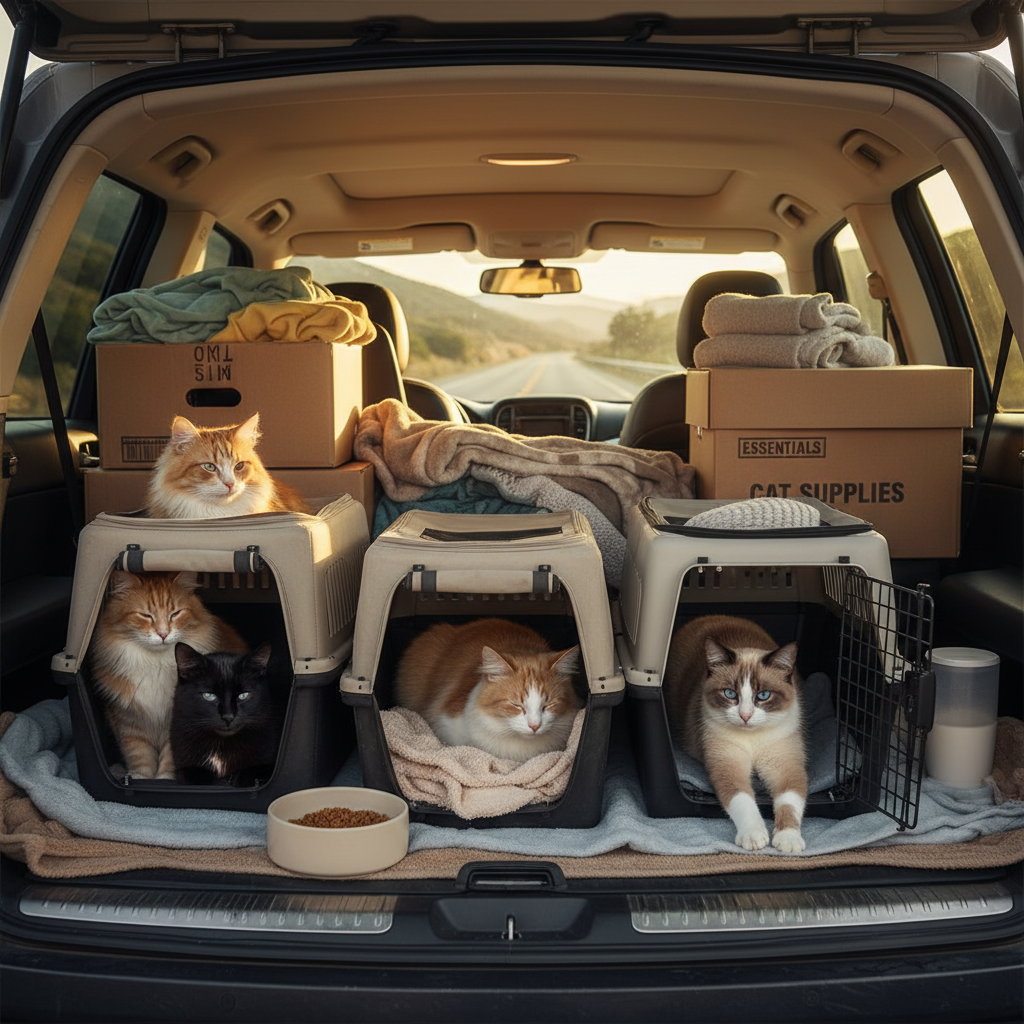

How to Move Cross-Country with Multiple Cats Without Losing Their Minds
Moving cross-country with multiple cats is a complex logistical challenge that requires a deep understanding of feline territorial instincts and environmental stress triggers. To successfully relocate more than one cat without causing psychological distress, owners must prioritize 'scent security' and physiological comfort throughout the transition. By utilizing high-quality pheromone synthetics, staggered introduction to travel gear, and maintaining a consistent 'safe zone' within the vehicle, cat owners can mitigate the risk of stress-induced illnesses or behavioral regressions during a long-distance move.
Understanding the Feline Stress Response During Travel
Cats are biologically hardwired to be territorial. Their sense of security is intricately linked to the physical boundaries of their home and the scent markers they leave behind. When you move cross-country with multiple cats, you are effectively removing their entire support system. This can lead to a state of heightened anxiety commonly manifested as vocalization, hiding, or redirected aggression toward their housemates.
In a multi-cat household, the dynamics of 'feline hierarchy' can shift under pressure. Imagine a scenario where two cats who normally get along suddenly find themselves trapped in a loud, vibrating vehicle. The stress of the environment can cause one cat to view the other as a source of the discomfort. This phenomenon, often called redirected aggression, is one of the biggest risks when traveling with more than one animal.
Research into feline behavior suggests that the sudden loss of environmental control is the primary driver of travel-related stress. To combat this, the first step in your cross-country journey should begin weeks before the boxes are packed. You must transform the travel carriers from 'scary boxes' into 'extension of the home territory.'
Preparing the Multi-Cat 'Command Center'
When moving multiple cats, the choice of carrier is your most important equipment decision. While many owners opt for soft-sided carriers for comfort, hard-sided carriers often provide better protection and stability during a long-haul drive. For a cross-country move, each cat generally requires their own individual carrier to prevent overheating and physical altercations, unless you have a bonded pair that is significantly more stressed when separated.
Carrier Acclimation Techniques
Starting at least four weeks before the move, place the carriers in the center of your living room with the doors removed or secured open. Use the following steps to build positive associations:
- Feeding in the Carrier: Start placing high-value treats and meals near the entrance, eventually moving them to the back of the carrier.
- Scent Mapping: Rub a clean cloth on the cats' cheeks and then rub that cloth on the interior walls of the carrier. This deposits facial pheromones that signal 'safety' to the cats.
- Cozy Bedding: Use familiar blankets that already smell like your cats. Avoid washing them right before the move; that 'stale' home scent is exactly what will calm them in a strange car.
The Importance of Pheromones
Many veterinarians recommend the use of synthetic feline facial pheromones. These sprays and diffusers mimic the natural chemicals cats use to mark their territory as safe. During a long-distance move, spraying the carriers 15 minutes before loading the cats can significantly lower their baseline cortisol levels. Research shows that these scents help cats feel more anchored in unfamiliar environments.
Vehicle Logistical Setup for Long-Haul Trips
Setting up your car for a cross-country move with multiple cats requires more than just stacking crates. You must consider airflow, temperature control, and visual stimulation. Many cats feel more secure when they cannot see the world rushing by at 70 miles per hour, as the visual data of moving objects can cause motion sickness and panic.
The 'Sight-Line' Strategy
Position the carriers so they are level and secure. Use seatbelts or bungee cords to ensure they cannot slide or tip during sudden stops. Many people find that covering three sides of the carrier with a light breathable sheet helps the cats settle. Leave the side facing the other cat or the interior of the car open, so they can still hear and smell their companions and their human owners.
Climate Control Needs
Cats are sensitive to temperature fluctuations. While the front of the car may be cool, the back area where the cats are stationed can become a 'green house' if the sun is hitting the windows. It is vital to check the temperature specifically in the cargo or back-seat area throughout the trip. High-quality window shades can block UV rays and prevent the carriers from overheating.
Managing Toileting and Hydration on the Road
One of the most frequent questions cat owners ask is, 'How do I get my cat to use the litter box during a 10-hour drive?' The reality is that many cats will refuse to eat, drink, or use the litter box while the vehicle is in motion. This is a natural survival instinct; a cat in a high-stress state will often 'hold it' for extended periods.
Portable Litter Solutions
Do not try to force your cats to use a litter box while the car is moving. Instead, plan for longer stops. Some owners find success with collapsible travel litter boxes. When you stop for a break, you can offer the box inside the car with the doors securely locked. However, do not be surprised if your cats ignore it. Focus on providing a large, stable litter box at your hotel or final destination for the night.
Hydration Strategies
Dehydration is a risk during long travel days. Since cats get much of their moisture from their food, consider feeding wet food during the week leading up to the move. During the drive, offer small amounts of water or even the liquid from canned tuna to encourage drinking during stops. Never leave a water bowl inside a moving carrier, as it will likely spill, leaving the cat wet and miserable.
Hotel Safety and 'Territory Reboot'
If your cross-country move takes multiple days, you will likely be staying in pet-friendly hotels. This is the moment where 'escapes' are most likely to happen. A panicked cat can bolt through an open hotel door in a fraction of a second.
The 'Bathroom First' Rule
Upon entering a hotel room, immediately take the cat carriers into the bathroom. Close the door and set up the litter box, water, and food in that small, controlled space. Allow the cats to exit their carriers in the bathroom first. This allows them to decompress in a manageable area before being given access to the whole hotel room.
Ensuring Room Security
Before letting the cats into the main bedroom area, perform a 'scout' of the room. Look for:
- Gaps under the bed: Many hotel beds have space underneath where a cat can hide and be unreachable.
- Loose vent covers: Ensure cats cannot crawl into the HVAC system.
- Unsecured windows: Ensure locks are functional.
Place a 'Pets Inside' sign on the hotel door to ensure housekeeping does not enter and accidentally release your cats.
Veterinary Consultation and Medication
For some cats, the stress of a multi-day move is too much for behavioral modification alone. If you have a cat with a history of extreme travel anxiety or motion sickness, a visit to the veterinarian is non-negotiable.
Professional Guidance
According to veterinary experts, there are several pharmaceutical options available to help cats stay calm. These might include anti-anxiety medications or sedatives. It is crucial to 'test' these medications at home a few days before the move. Some cats have paradoxical reactions to sedatives, becoming more agitated rather than calmer. You do not want to discover this while driving through a mountain pass.
Health Certificates and Records
When crossing state lines, many states legally require a Certificate of Veterinary Inspection (CVI). Ensure you have a physical and digital copy of your cats' vaccination records, especially rabies certificates. If you are stopped or need to visit an emergency vet in a different state, having these records readily available is essential.
Settling Into the New Home
Arrival at the new house is not the end of the journey; it is the beginning of the 're-territorialization' phase. If you simply release multiple cats into a large, empty, new house, you may trigger a territorial dispute.
The 'Single Room' Method
Designate one room in the new house as the 'Cat HQ.' This room should contain all their familiar items-beds, scratching posts, and toys. Keep the cats in this single room for the first 24 to 48 hours. This allows them to get used to the sounds and smells of the new house from a position of relative safety. Over the following days, gradually allow them to explore one additional room at a time.
Scent Integration
To help the cats feel like the new house belongs to them, you can perform 'scent swapping' again. Take a sock, rub it on the cats' cheeks, and then rub it on the corners of walls and furniture at the cats' nose level throughout the house. This makes the new environment smell 'pre-claimed' and reduces the urge for them to mark territory with urine.
Essential Checklist for Cross-Country Cat Travel
- Individual Carriers: Properly sized and ventilated for each cat.
- Recent Photos: In case a cat manages to escape, have clear, up-to-date photos for 'lost' posters.
- Microchip Updates: Ensure your contact information is updated with the microchip registry before you leave.
- Familiar Bedding: Do not wash favorite blankets before the trip.
- Travel Kit: Includes extra litter, scoops, waste bags, paper towels, and enzyme cleaners for accidents.
- First Aid Kit: Consult your vet on a feline-specific travel first aid kit.
Key Takeaways for a Successful Move
- Prioritize Scent: Familiar smells are the most effective way to keep cats calm. Use unwashed blankets and synthetic pheromones.
- Slow Introduction: Acclimate cats to their carriers and the car in the weeks leading up to the move.
- Safety First: Keep cats in carriers at all times when the car doors are open and use the 'bathroom first' rule in hotels.
- Hydration and Health: Monitor water intake and consult a vet for potential travel medications if your cats are prone to high stress.
Moving cross-country with multiple cats is a marathon, not a sprint. By focusing on their need for environmental stability and scent-based security, you can ensure that your feline companions arrive at your new home healthy, happy, and ready to explore their new kingdom. While the journey may be loud and tiring, the careful preparation you put in now will pay off in a smoother transition for every member of your multi-cat household.
Looking for More Pet Travel Tips?
Traveling with exotic or multiple pets requires specific knowledge and preparation. For more guides on relocating with unique animals or navigating the complexities of pet-friendly travel, explore the rest of Pets in the Hood. Join our community of dedicated pet owners who believe that no journey is too long when you have your best friends by your side.
Enjoying this post?
Get the next one sent straight to your inbox — no spam, unsubscribe anytime.