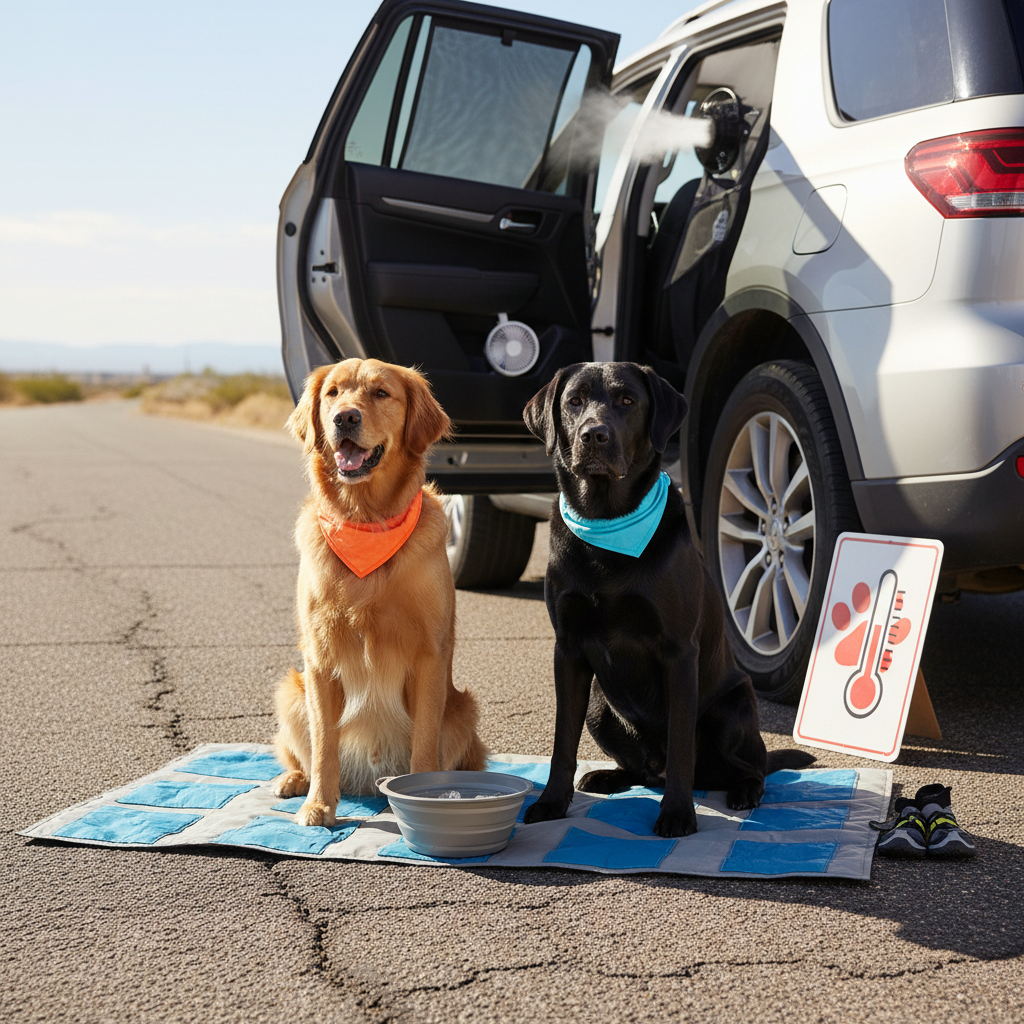

Heat Safety on the Road: Protecting Dogs from Hot Cars and Pavement
Heat safety for dogs is a critical component of travel management, focusing on the prevention of heatstroke and thermal burns caused by elevated ambient temperatures and solar radiation. Dogs possess limited thermoregulatory capabilities compared to humans, relying primarily on panting and sweat glands in their paw pads to dissipate heat, which makes them highly susceptible to hyperthermia in confined spaces like vehicles or on heat-retaining surfaces like asphalt. Protecting a pet on the road requires a proactive combination of environmental monitoring, hydration strategies, and an understanding of the rapid greenhouse effect that occurs within a stationary vehicle.
Understanding the Internal Climate of a Vehicle
The most pervasive risk to a traveling dog is the rapid escalation of temperature inside a parked car. Research shows that even on relatively mild days with outdoor temperatures in the 70s (Fahrenheit), the interior of a vehicle can reach dangerous levels within minutes. Glass acts as a greenhouse, trapping solar radiation and heating the dashboard, seats, and air. Cracking the windows provides negligible relief, as it does not promote enough airflow to counteract the radiant heat absorption of the car's interior materials.
When a dog's internal body temperature rises above 103 degrees Fahrenheit, they begin to experience heat stress. If that temperature reaches 106 degrees or higher, they enter the territory of heatstroke, which can lead to multi-organ failure, seizures, and death. Because dogs cool themselves through evaporation via panting, a humid or stagnant car environment prevents this mechanism from working effectively. As a result, the dog is essentially trapped in a feedback loop where their own efforts to cool down only increase their internal metabolic heat.
Traveling pet owners must recognize that there is no safe amount of time to leave a dog alone in a car during warm weather. Many people find that even a quick five-minute errand can turn into a twenty-minute delay, which is more than enough time for a pet to suffer permanent neurological damage. The gold standard for heat safety is to never leave a pet unattended in a vehicle unless the engine is running with a dedicated climate control system active and a remote monitoring sensor in place to alert the owner of a mechanical failure.
The Hidden Danger of Hot Pavement
While the air temperature is a primary concern, the ground temperature poses a secondary but equally severe threat to canine health. Asphalt, concrete, and even sand absorb and retain heat far more efficiently than the air. On a day where the air temperature is 77 degrees Fahrenheit, the sun can heat asphalt to over 125 degrees. This is hot enough to cause skin destruction and second-degree burns within sixty seconds of contact.
Dogs' paw pads are tough, but they are not heat-proof. Thermal burns on the paw pads are agonizing and prone to infection, often requiring weeks of bandages and restricted movement. To test if the ground is safe for a dog to walk on, pet owners should use the "seven-second rule." Place the back of your bare hand firmly against the pavement for seven consecutive seconds. If it is too painful for your hand to remain there, it is too hot for your dog to walk on.
Consider the surface type when planning rest stops. Grass and wood chips stay significantly cooler than dark pavement. If your travel route requires stops in urban areas or paved parking lots, consider using protective dog boots or carrying your pet to a shaded, grassy area. Remember that large breed dogs and senior dogs may be more reluctant to move quickly off hot surfaces, increasing their exposure time to the heat.
Recognizing the Early Signs of Heatstroke
Immediate intervention is the most effective way to save a dog's life during a heat emergency. Owners must be able to distinguish between normal heavy panting and the signs of heat exhaustion. Early indicators include excessive drooling, reddened gums, and a rapid or irregular heart rate. As the condition progresses, a dog may appear lethargic, disoriented, or uncoordinated.
In severe cases, the gums may turn a dark red, purple, or even blue, indicating a lack of oxygenation. Vomiting or diarrhea may occur as the body reacts to the internal thermal stress. If a dog collapses or begins to have a seizure, it is a life-threatening emergency that requires immediate cooling and veterinary transport.
If you suspect your dog is overheating, move them to a cool, shaded area immediately. Use cool (not ice-cold) water to wet their fur, focusing on the underbelly, armpits, and paw pads. Placing a fan near the wet pet will help facilitate evaporative cooling. Never submerge a dog in an ice bath, as this can cause blood vessels to constrict, actually trapping heat in the core of the body and potentially causing shock. Offer small amounts of water, but do not force a distressed dog to drink, as they may aspirate the fluid into their lungs.
Essential Gear for Summer Road Trips
Preparation for a summer road trip involves more than just bringing water. Specialized gear can provide a safety buffer against rising temperatures. Cooling vests, which utilize evaporative technology, can be soaked in water and worn by the dog to help regulate their body temperature during walks or in the car. These vests work by pulling heat away from the body as the water evaporates from the fabric.
Strategic hydration tools are also vital. Collapsible bowls and pressurized water bottles allow for frequent, easy access to water. Many travelers find that adding ice cubes to a spill-proof bowl can encourage a dog to drink while also providing a cooling sensation. For the vehicle, sunshades for the rear windows can block a significant portion of UV rays, keeping the backseat area several degrees cooler than it would be otherwise.
Additionally, digital thermometers with smartphone connectivity are invaluable for those traveling with pets. These devices can be placed near the dog's crate or seat and will send an alert to your phone if the ambient temperature exceeds a pre-set limit. This is particularly useful for pet owners who may be momentarily separated from their pets, such as when checking into a pet-friendly hotel or using a restroom at a rest stop.
Planning Your Travel Schedule for Maximum Safety
Timing is everything when it comes to avoiding the peak heat of the day. Whenever possible, plan the majority of your driving for the early morning or late evening hours when the sun is lower in the sky and temperatures are at their lowest. This not only protects the dog from the greenhouse effect inside the car but also ensures that the ground at rest stops is at a safe temperature for bathroom breaks.
Map out your route to include stops at parks or rest areas known for having ample shade and green space. Avoid stopping at large, paved truck stops during mid-afternoon if there is no grass available for the pet. Using satellite imagery on mapping apps can help you identify shaded parking spots and grassy patches before you arrive.
Consider the specific needs of your dog's breed and health status. Brachycephalic breeds (flat-faced dogs like Bulldogs, Pugs, and Boxers) are at a much higher risk for heatstroke because their shortened airways make panting much less efficient. Similarly, dogs with thick double coats, senior dogs, and those with underlying heart or respiratory conditions will have a lower threshold for heat tolerance. For these high-risk pets, a road trip in the heat of summer may require extra precautions or a reconsideration of the travel dates.
Long-Term Recovery and Veterinary Care
Even if a dog appears to recover quickly from a heat-related incident, a veterinary follow-up is essential. Heatstroke can cause internal damage that is not immediately visible to the naked eye. This includes kidney damage, liver failure, and disseminated intravascular coagulation (a condition where the blood's ability to clot is compromised). A veterinarian can perform blood tests to check organ function and provide intravenous fluids to help stabilize the dog's internal systems.
In the days following a heat scare, the dog should be kept in a cool, quiet environment with limited physical activity. Their body's ability to regulate temperature may be temporarily compromised, making them even more sensitive to heat in the short term. Monitor their appetite, bathroom habits, and energy levels closely, and do not hesitate to return to the vet if any lingering symptoms appear.
Takeaways for Heat-Safe Travel
- Rule of Thumb: If it is too hot for you to sit comfortably in a parked car with the windows up, it is lethal for your dog.
- Surface Test: Use the 7-second hand test on pavement; if it burns you, it burns their paws.
- Hydration is Key: Provide small, frequent amounts of water rather than one large drink every several hours.
- Breed Awareness: Know if your dog is high-risk (brachycephalic, senior, thick-coated) and adjust your cooling plans accordingly.
- Emergency Kit: Always travel with a thermometer, cooling vest, and the contact information for emergency vets along your route.
- No Ice Baths: Use cool water to lower body temperature gradually; ice can cause dangerous blood vessel constriction.
Traveling with a dog is a rewarding experience, but summer conditions require a heightened level of vigilance. By understanding the science of how heat affects the canine body and taking proactive steps to manage the environment, pet owners can ensure that their road trips remain safe, comfortable, and fun for every member of the family. Whether it is investng in the right gear or simply waking up two hours earlier to beat the sun, the effort put into heat safety is the best insurance policy for a successful journey.
Enjoying this post?
Get the next one sent straight to your inbox — no spam, unsubscribe anytime.