
Finding a Vet on the Road: How to Vet a Clinic in Under 10 Minutes
Finding a vet on the road is defined as the process of identifying, screening, and validating the medical competency of a veterinary provider while away from one's primary residence, typically under time-sensitive or emergency conditions. For travelers with cats, dogs, or exotic pets such as reptiles and birds, this process requires balancing immediate proximity with the specific clinical expertise necessary for the species in question. Ensuring a clinic meets safety and quality standards in under ten minutes involves a systematic cross-referencing of digital reviews, professional certifications, and direct communication to mitigate the risks associated with unfamiliar medical environments.
The Challenges of Mobile Veterinary Care
Traveling with a pet introduces a layer of complexity that stationary pet owners rarely face. While a local pet owner has years to build a relationship with a trusted clinician, a traveler may only have minutes to decide if a facility is capable of handling a bearded dragon's respiratory infection or a dog's sudden allergic reaction. The density of veterinary services varies wildly between urban hubs and rural landscapes, often leaving travelers with limited choices.
Research shows that one of the primary stressors for pet owners on the road is the 'information gap'-the lack of knowledge regarding which clinics in an unfamiliar town actually possess the specialized equipment or staff trained for non-traditional species. Many people find that standard emergency clinics are well-equipped for canine or feline trauma but may lack the specialized avian or exotic knowledge required for smaller, more sensitive animals. This mismatch can lead to delayed treatments or improper handling, making the ability to vet a clinic rapidly an essential skill for any pet-friendly traveler.
The 10-Minute Rapid Vetting Framework
When an urgent medical need arises, or even when planning a routine check-up in a new city, you can use a structured approach to evaluate a clinic. This framework breaks down the process into three distinct phases: Digital Proofing, Specialty Verification, and the Red Flag Pulse Check.
Minutes 1-3: Digital Proofing and Credentialing
The first three minutes should be spent on the clinic's website and official profiles. Look for the 'AAHA Accredited' seal. According to the American Animal Hospital Association, accredited hospitals must meet approximately 900 standards of veterinary care. While many excellent clinics choose not to pursue this optional accreditation due to its rigorous nature, its presence is an immediate 'green flag' for quality.
Next, look at the BIOS of the staff. You are looking for specific wording: 'Board Certified' in a specific discipline or 'DVM' with a stated interest in exotic medicine. For those traveling with reptiles, birds, or small mammals, look for mentions of the Association of Avian Veterinarians (AAV) or the Association of Reptile and Amphibian Veterinarians (ARAV). Membership in these organizations indicates a commitment to staying updated on the latest protocols for those species.
Minutes 4-6: Mining Recent and Specific Reviews
Search engines and social media provide a wealth of sentiment data, but you must look past the star rating. A 4.8-star rating might be earned by a clinic that is wonderful with Golden Retrievers but has zero experience with a Green Iguana.
Use the 'search' function within reviews for keywords like your pet's species (e.g., 'rabbit,' 'ferret,' 'parrot'). Look for mentions of 'emergency wait times,' 'staff communication,' and 'diagnostic costs.' Many people find that reviews from the last six months are the most accurate indicators of current staffing levels and hospital morale, which directly impact the quality of care your pet will receive.
Minutes 7-10: The Direct Phone Vetting
The final four minutes are for the phone call. This is where you confirm the data you found online. A professional front-desk staff is the gatekeeper of a quality clinic. Explain your situation clearly: 'I am traveling and have an [insert species and age]. I noticed [symptom]. Do you have a doctor on staff today with experience in this species, and do you have the facilities to house them if overnight care is needed?'
If the response is hesitant or if they tell you 'we will see anything but aren't specialists,' take that as a sign to keep looking unless it is a life-threatening emergency. A high-quality clinic will be honest about their limitations and may even provide a referral to a more suitable facility nearby.
Specific Considerations for Exotic and Underserved Species
Exotic pets represent a unique challenge for the traveling owner because their anatomy and physiology differ drastically from domestic mammals. A 'cat and dog' hospital might not have the correct size of endotracheal tubes for a small bird or the specialized heating elements required to keep a reptile at a safe temperature during an exam.
Equipment and Diagnostics
When vetting a clinic for an exotic pet, ask if they have specialized diagnostic tools. For example, 'Do you have a gram scale that measures in single grams?' or 'Do you offer avian-specific blood panels?' A clinic that treats exotics regularly will have these tools ready. Imagine a scenario where a parrot needs a blood draw; a clinic without the proper micro-sampling equipment could inadvertently cause more harm than good.
Handling and Stress Mitigation
Exotic pets are often highly sensitive to the sights, sounds, and smells of a traditional vet office. Ask if the clinic has a 'quiet room' or if you can wait in your vehicle until the exam room is ready. Clinics that prioritize low-stress handling for exotics demonstrate a higher level of professional empathy and specialized training.
Emergency vs. Routine Care on the Road
The vetting process changes slightly depending on the urgency of the situation.
Emergency Care
In a true emergency-uncontrolled bleeding, difficulty breathing, or sudden collapse-proximity is often more important than a specialized vet. In these cases, use your 10 minutes to find the nearest 24-hour emergency center. Your goal here is stabilization. Once the pet is stable, you can then use a more discerning vetting process to find a specialist for long-term recovery.
Routine and Preventative Care
If you are traveling long-term, you may need a health certificate for crossing borders or a routine vaccine update. For these non-urgent needs, use your time to find a clinic that matches your home vet's philosophy. Many travelers find that independent, family-owned veterinary practices offer a more personalized experience than large corporate chains, which can be beneficial when your pet is already stressed from travel.
Leveraging Technology and Communities
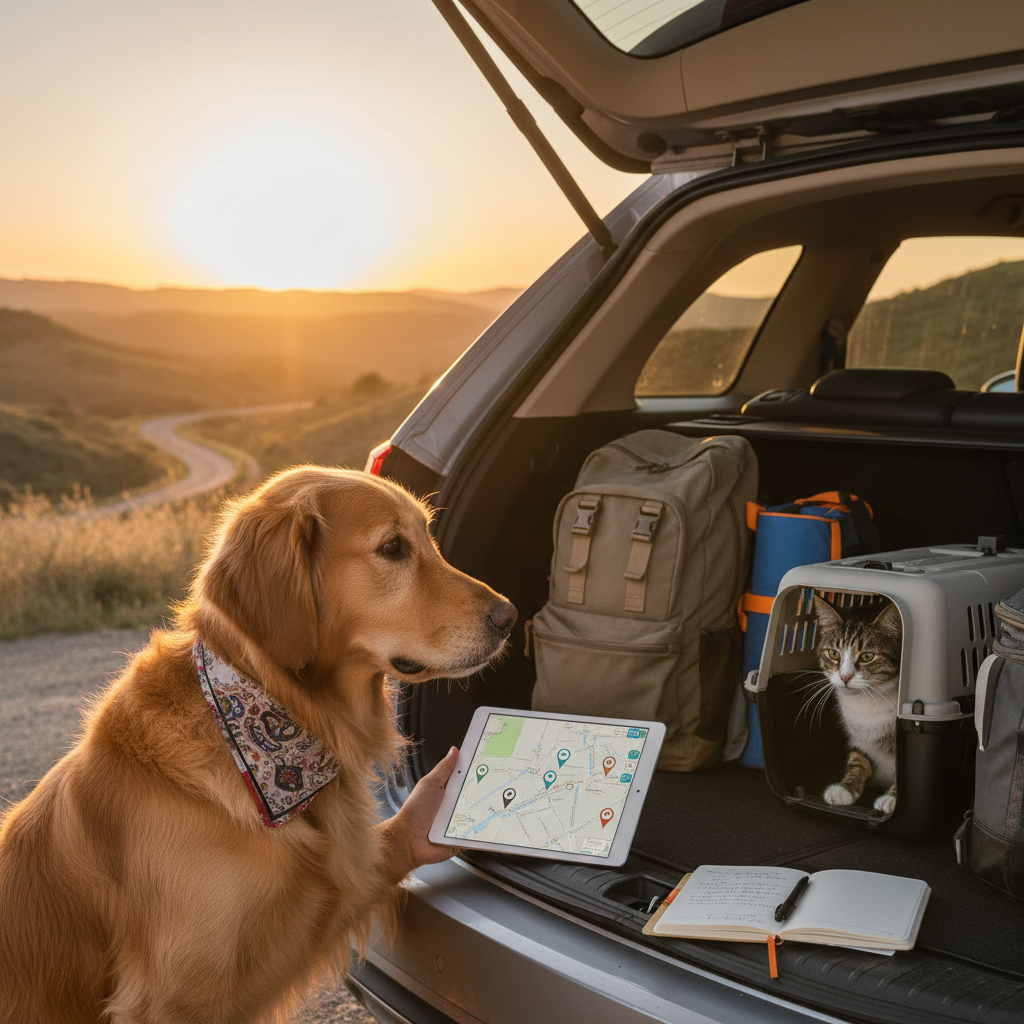
Modern travelers have tools at their disposal that were unavailable a decade ago. Apps dedicated to pet travel can provide mapped locations of verified clinics. Additionally, species-specific social media groups (e.g., 'Traveling with Tortoises' or 'Van Life Cats') are invaluable sources of anecdotal data.
Consider searching these groups for your current location. Often, another traveler has already done the legwork and can recommend a specific doctor by name. However, always verify this advice with your own 10-minute check, as staff and ownership changes can happen quickly.
Preparing Before You Leave Home
The best way to vet a clinic in under 10 minutes is to have your 'Pet Passport' ready before you ever start the car. This prevents you from wasting time during a crisis.
- Digital Records: Store all medical records, vaccination dates, and recent bloodwork in a cloud-based folder (Google Drive, Dropbox) or a dedicated pet health app.
- Emergency Contact: Have your primary vet's phone number and email easily accessible. A new vet will often want to consult with your regular provider to understand the pet's baseline health.
- Species Guide: For rare exotics, carry a one-page sheet detailing normal vital signs for your specific pet (heart rate, temperature, common medications). This can be a literal lifesaver for a vet who may be knowledgeable but hasn't seen your specific subspecies in a while.
Key Takeaways for Vetting on the Go
- Prioritize AAHA Accreditation: It is the 'gold standard' for clinical quality in North America.
- Verify Species Competency: Being 'willing' to see a pet is not the same as being 'trained' to treat a pet.
- Use Recent Reviews: Focus on feedback from the last six months to ensure current staffing and quality levels.
- Trust the Phone Interaction: The professionalism and honesty of the front-office staff are strong indicators of the medical team's culture.
- Keep Digital Records: Having your pet's history ready allows the new vet to focus on the current problem rather than playing catch-up.
Conclusion: Confidence in Every Mile
Traveling with a pet is an enriching experience that strengthens the bond between owner and animal, but it carries the responsibility of being an advocate in unfamiliar territory. By mastering the ability to vet a veterinary clinic in under ten minutes, you remove the 'what-if' anxiety that often plagues pet-friendly travel. Whether you are navigating the high deserts of the Southwest with a sensitive ferret or traveling the coastal highways with a senior dog, having a systematic approach to healthcare ensures that medical professional support is always within reach.
Remember that you are your pet's only voice. If a clinic feels wrong, if the hygiene seems lacking, or if the staff is dismissive of your exotic pet's specific needs, do not be afraid to walk out. The 10-minute vetting process is designed to find you the best care possible, ensuring that your journey together remains safe, healthy, and full of adventure.
Looking for more pet travel tips? Explore our guides on pet-friendly lodging and species-specific travel gear to become an expert traveler with any animal companion.
Enjoying this post?
Get the next one sent straight to your inbox — no spam, unsubscribe anytime.