Daily Care for Horses and Unique Pets
Sharing Your Life with Larger Souls
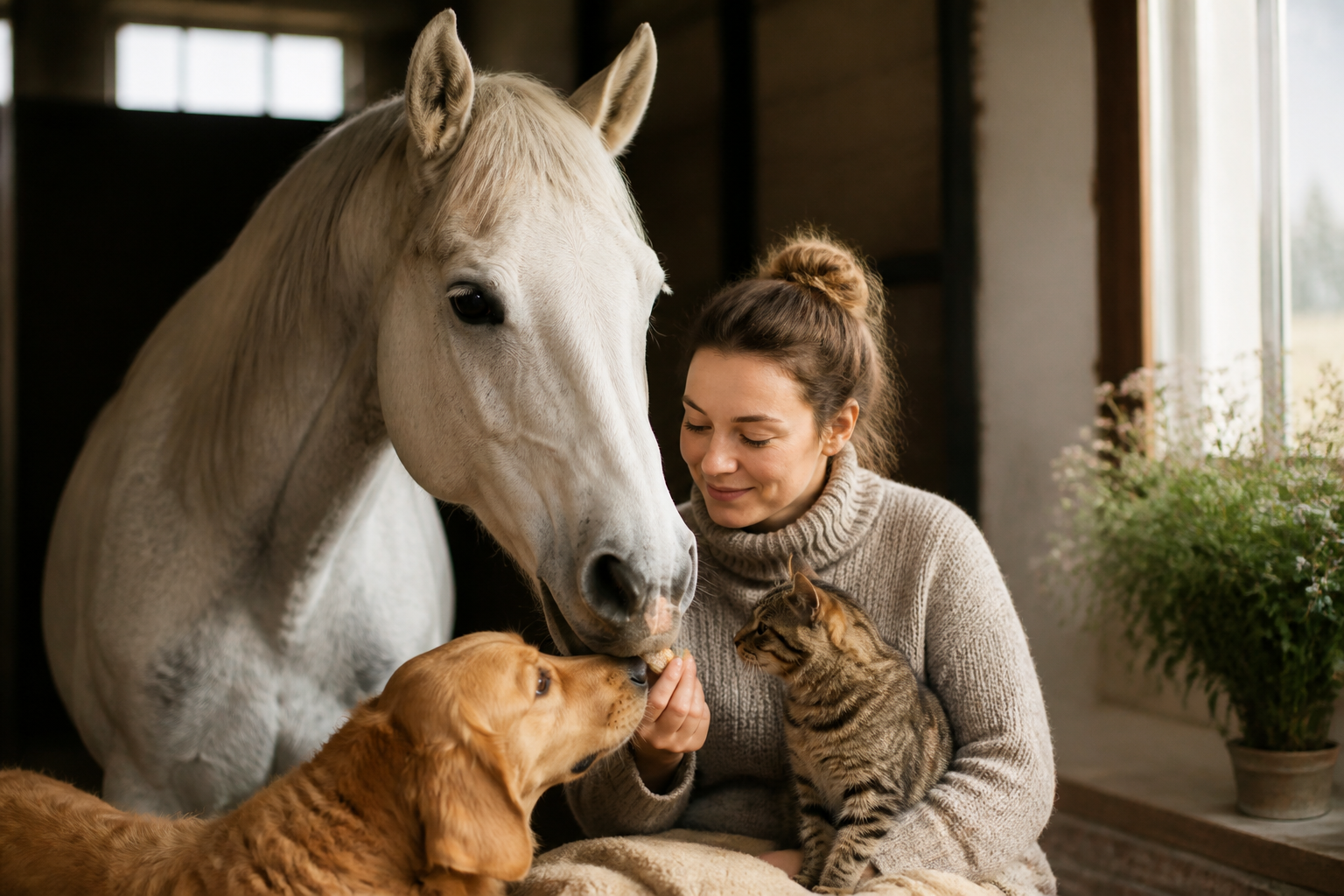
Welcoming a horse or an unconventional pet into your life is a profound commitment that changes the rhythm of your home. Whether you are walking to the stable at dawn or preparing a specialized salad for a giant tortoise in your kitchen, these animals become family. For those of us caring for senior animals, this bond feels even deeper. There is a specific heartache in watching an old friend move a little slower, but there is also a beautiful opportunity to provide comfort in their golden years. We understand that the weight of this responsibility can be heavy, but with a solid routine, it becomes a labor of love rather than a list of chores.
Everyday care is the foundation of a long life. It is not just about the big vet visits. It is about the small, repetitive actions you take every morning and evening. In this guide, we will look at how to structure your day to ensure your horses and unique companions thrive.
The Morning Routine: Fuel and Observation
For a horse, the day begins with forage. Their digestive systems are designed for constant grazing, which means long periods without food can lead to gastric ulcers. A standard routine involves providing high quality hay as the primary calorie source. Many owners use slow-feed hay nets to mimic natural grazing patterns. If you have a senior horse, you might need to soak their hay or provide a mash to help with dental issues.
For other unique pets, such as large indoor rabbits or reptiles, morning is the time for freshness. This means replacing water and providing a new rotation of greens. Always measure your feed. A common mistake is eyeballing portions, which leads to weight gain. Obesity in horses can cause laminitis, a painful foot condition, while in smaller pets it puts unnecessary strain on joints. A kitchen scale or a dedicated feed scoop with marked measurements is your best friend here.
While they eat, take five minutes to observe. Is the animal standing differently? Is the horse favoring a specific leg? Are the unique pets in your home hiding more than usual? Early detection of lethargy or loss of appetite is the most effective tool you have for animal health.
Grooming Beyond Aesthetics
Grooming is often seen as a way to make an animal look pretty, but it is actually a vital health check. When you brush a horse, you are stimulating blood flow to the skin and checking for heat, swelling, or ticks. The daily routine should include:
- Using a curry comb in circular motions to loosen dirt and dander.
- Picking the hooves to prevent thrush and check for lodged stones.
- Brushing the mane and tail to prevent painful mats.
- Wiping the eyes and nostrils with a clean, damp cloth.
For other animals, such as long haired guinea pigs or indoor birds, grooming needs vary. Birds require access to a bath or a gentle misting to keep feathers in top shape. Small mammals need their coats checked for mats, especially around the hindquarters where urine scalding can occur if they are not kept clean. Grooming is also the best time to bond. It is a quiet, tactile interaction that builds trust between you and your pet.
Exercise and Mental Enrichment
Physical movement is non-negotiable. A horse kept in a stall for 23 hours a day will develop behavioral vices like cribbing or weaving. Daily turnout is essential. If weather prevents pasture time, hand walking or lunging is necessary to keep their joints lubricated. This is particularly important for senior horses who may suffer from arthritis. Movement keeps the blood flowing and prevent stiffness.
For unique indoor pets, enrichment is about challenging their brains. A bored animal is often a destructive animal. Try these strategies:
- Foraging toys: Hide treats in cardboard boxes or specialized dispensers.
- Environmental changes: Move furniture or add new tunnels to a rabbit's enclosure.
- Sensory play: Introduce dog safe scents or different textures like sand or river rocks for reptiles and small mammals to explore.
Routine exercise should occur at roughly the same time every day. Animals have a strong internal clock, and knowing when it is time to work or play reduces their cortisol levels.
Behavior and Household Safety
When keeping unique pets inside the home, pet proofing is an ongoing task. Rabbits and rodents have an instinctive need to chew, which makes electrical cords a significant hazard. Use hard plastic cord protectors on every wire within reach. Ensure that any houseplants are non toxic, as many common greens like lilies or philodendrons are poisonous to diverse animal species.
Understanding behavior is also a part of daily care. A horse that suddenly pins its ears or tries to bite during saddling is likely communicating pain, not defiance. Similarly, if your indoor pet stops using their litter box or enclosure bathroom area, it may indicate a urinary tract infection or stress. Always look for the 'why' behind a behavioral change before assuming the animal is being difficult.
The Evening Wind Down
As the day ends, your routine should focus on safety and comfort. For horses, this means a final stall check. Ensure the bedding is clean and dry. Check the water buckets one last time. A horse can drink ten gallons of water a day or more, so never leave them with an empty bucket overnight.
For indoor pets, sunset is often a high activity time. Many unique pets are crepuscular, meaning they are most active at dawn and dusk. This is a great time for one last play session to burn off energy. Check that all enclosures are securely latched. It is a common story among pet owners that a clever ferret or lizard waited until dark to test a loose door.
Consistency as a Form of Love
Life gets busy, and it is tempting to skip the grooming session or cut the exercise time short. However, your pets rely entirely on the structure you provide. Especially for senior animals, consistency provides a sense of security. They know when they will be fed, when they will be groomed, and when they can rest. This predictability lowers stress and contributes significantly to their overall health.
By following these daily steps, you aren't just keeping an animal alive. You are providing a high quality of life that honors the unique spirit of your horse or household pet. It is a big job, but the nicker of a horse at the gate or the quiet companionship of a pet in your living room makes every minute worth it.
Enjoying this post?
Get the next one sent straight to your inbox — no spam, unsubscribe anytime.
Join the conversation
Comments are loading…