
Caring for Your Gray Muzzle: Senior Pet Travel and Home Life
The Golden Years with Your Best Friend
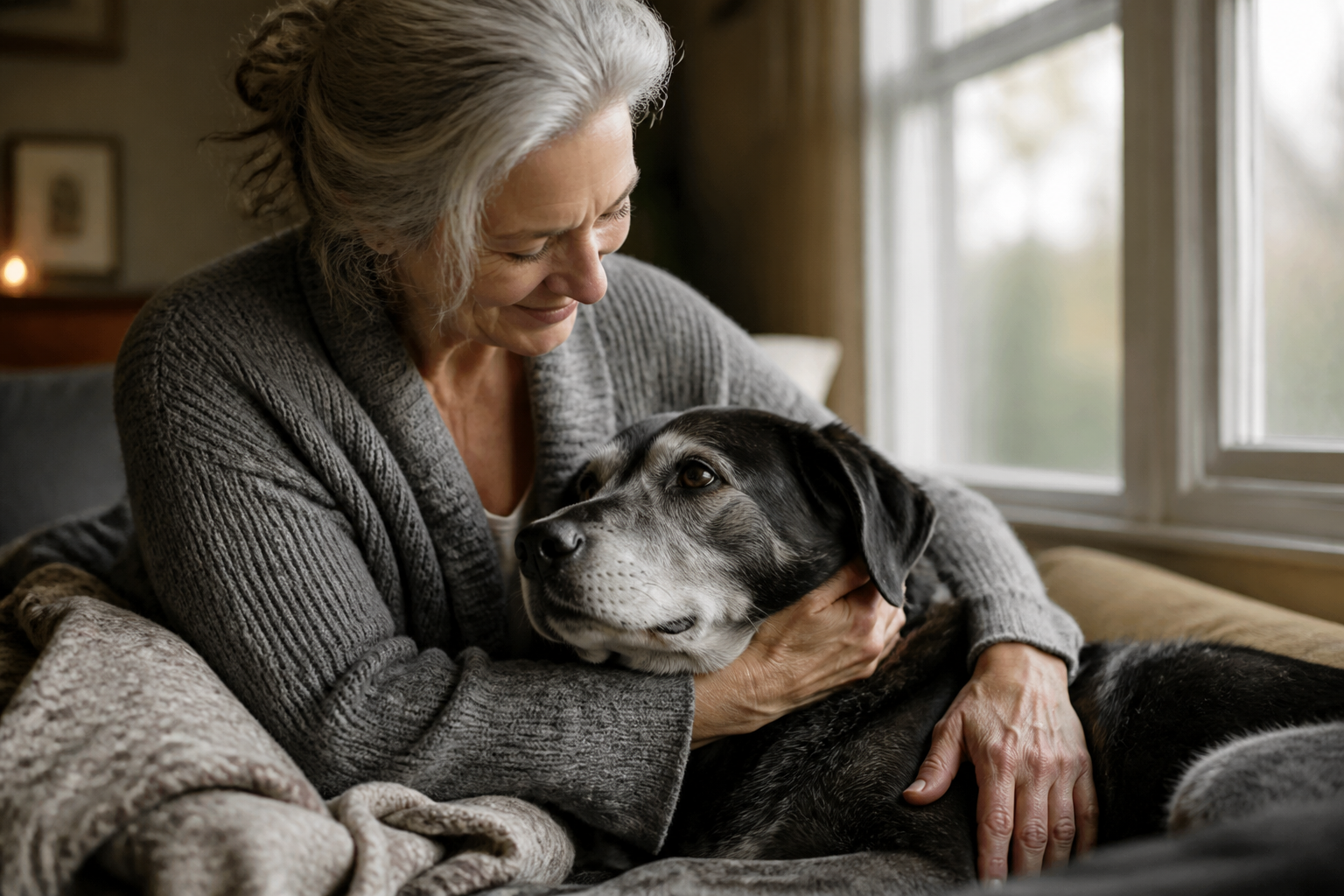
There is a specific kind of magic in the eyes of a senior pet. It is a look of deep understanding combined with a touch of gray fur around the muzzle that tells a story of years of loyalty. Watching our companions grow older brings a heavy emotional weight. We start to notice the slower pace, the slightly cloudy eyes, and the way they might choose a soft rug over a high jump on the couch. It can be hard to witness, but it is also a beautiful opportunity to return the care they gave us during their youth.
At Pets in the Hood, we believe senior pets deserve a life full of comfort and adventure, even if that adventure is a bit slower than it used to be. Whether you are caring for a dog you have had since puppyhood or you are considering the selfless act of adopting an older animal, this guide provides the practical steps you need to manage their health, travel needs, and daily routines.
Making Home the Ultimate Sanctuary
The first step in senior pet care is adjusting their environment. Just as humans might need a handrail or a better mattress as they age, pets need physical supports. Arthritis is incredibly common. In fact, studies show that over 80 percent of dogs over age eight have some form of osteoarthritis.
Flooring and Access
Hardwood or tile floors can be like ice rinks for an older dog with weak hips. Buy several inexpensive rubber backed rugs or yoga mats to create pathways between their bed, their food bowl, and the door. If your pet still wants to sleep in your bed, do not wait for them to hurt themselves trying to jump. A set of pet stairs or a sturdy ramp is a non negotiable addition. Look for ramps with a high traction surface rather than smooth carpet.
Orthopedic Bedding
Throw away the thin polyester filled beds from the grocery store. Senior pets need pressure point relief. Invest in a high quality memory foam bed that is at least 4 inches thick. For cats, heated beds can be a lifesaver. Cats naturally seek heat to soothe joints, and a low voltage heated pad can keep them comfortable through the night.
Traveling with a Senior Companion
Many owners think that because a pet is old, they must stay home. This is not necessarily true. If your pet enjoys your company, they can still travel, provided you make significant changes to your itinerary.
The Pre Trip Checkup
Before you book a hotel, schedule a vet visit. Ask for a full blood panel to check kidney and liver function. If your pet is on medication like Galliprant for pain or Gabapentin for nerve issues, make sure you have a 14 day surplus. Always carry a physical copy of their records. In an emergency, a new vet needs to see those bloodwork numbers immediately.
Car Travel Comfort
During a road trip, a senior pet cannot go four or five hours without a break. Their bladders are smaller, and their muscles stiffen up when they sit still. Plan to stop every 90 minutes. Let them walk for five minutes to get the blood flowing. If you have a large dog, use a lifting harness like a Help 'Em Up harness to assist them in and out of the car. This protects your back and their spine.
Air Travel Warning
Generally, we do not recommend flying senior pets in the cargo hold. The temperature fluctuations and stress are too much for an aging heart. If your pet is small enough to fly in the cabin under the seat, ensure they have a familiar blanket that smells like home. If they are too large for the cabin, consider a pet transport service that uses vans or stick to road trips.
The Health and Nutrition Pivot
Metabolisms slow down as pets age. An overweight senior pet is at a much higher risk for diabetes and heart failure.
- Calorie Management: Switch to a senior formula that is lower in calories but higher in high quality protein. Protein helps maintain muscle mass, which is vital for mobility.
- Hydration: Older kidneys work harder. If your cat or dog only eats dry kibble, consider adding a splash of bone broth (onion and garlic free) or switching to wet food to increase their water intake.
- Supplements: Glucosamine, chondroitin, and Omega 3 fatty acids are the big three for joint health. Consult your vet before starting these, as some can interfere with other medications.
Life After Adoption: Bringing Home a Senior
If you are reading this because you are thinking of adopting a senior pet, thank you. You are a hero. Shelters are often full of older animals who are overlooked for puppies. One of the greatest benefits of a senior pet is that what you see is what you get. Their personality is formed, they are usually house trained, and their energy levels are predictable.
When you bring a senior home, give them time. The three three three rule applies even more to seniors: three days to decompress, three weeks to learn the routine, and three months to feel at home. They may have vision or hearing loss, so do not be surprised if they seem startled easily. Use hand signals or a gentle touch on the shoulder to communicate.
Monitoring the Quality of Life
One of the hardest parts of the senior journey is knowing when the end is near. We recommend using a quality of life scale. Track the good days versus the bad days on a calendar. Are they still eating? Do they still enjoy their favorite toy? Are they able to stand up on their own? When the bad days consistently outnumber the good ones, it is time to have a brave conversation with your veterinarian. Caring for a pet until the very end is a heavy responsibility, but it is the ultimate act of love.
Final Thoughts
Senior pets offer a quiet, steady companionship that younger animals cannot match. By adjusting your home, being mindful of their physical limits during travel, and providing targeted nutrition, you can make their final years their best years. They spent their lives looking after us. Now, it is our turn to look after them.
Enjoying this post?
Get the next one sent straight to your inbox — no spam, unsubscribe anytime.