Caring for Senior Pets: Travel, Comfort, and Love
The Golden Years with Our Loyal Companions
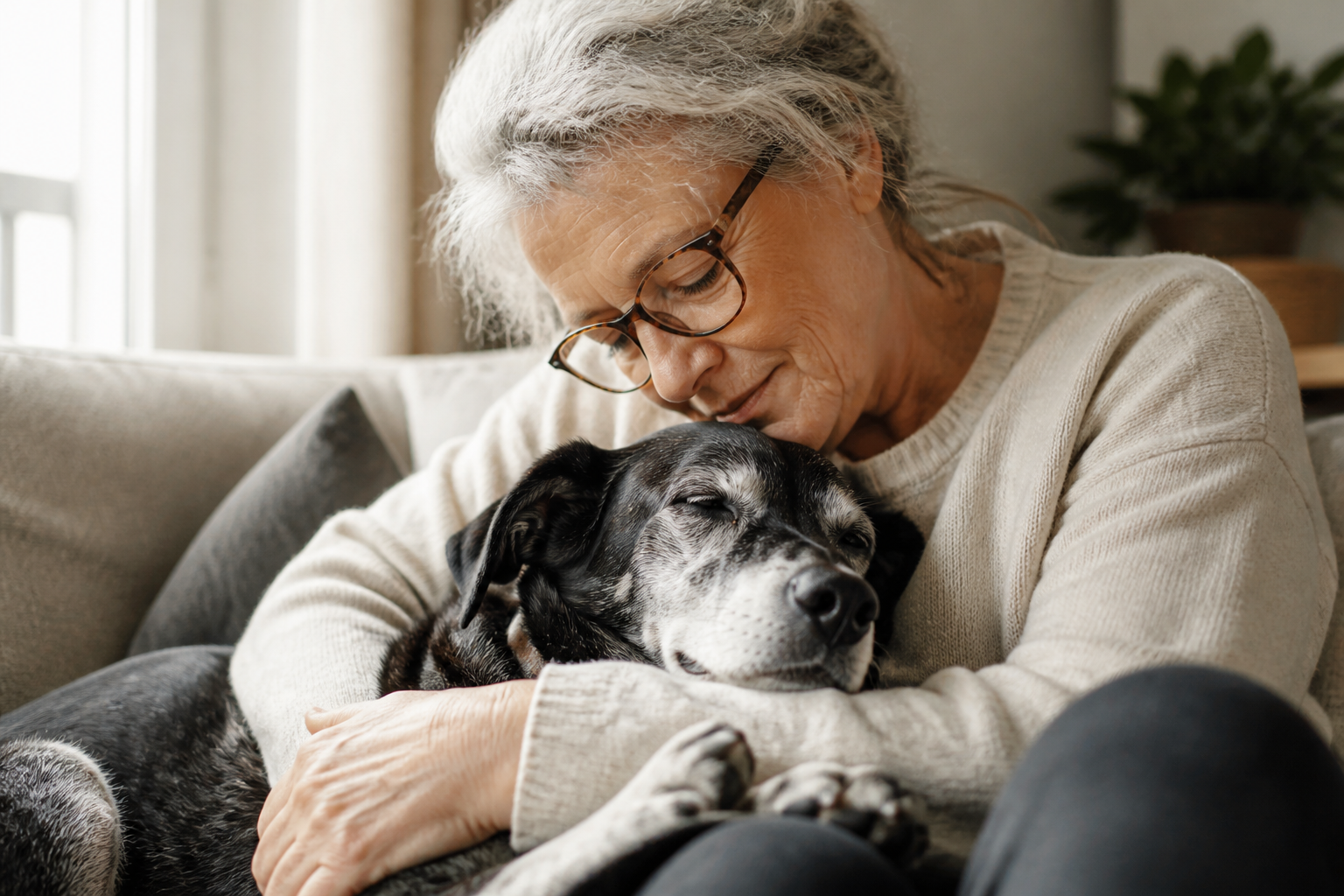
Watching a beloved pet grow old is a journey filled with both deep tenderness and a unique kind of heartache. It is a transition that requires us to shift from the fast paced energy of youth to a slower, more intentional rhythm. Whether you have shared a decade with a rabbit, a senior bird, or a loyal dog, the realization that they are entering their twilight years brings a weight of responsibility. At Pets in the Hood, we believe these years can be some of the most rewarding. It is a time when the bond is quiet, steady, and profound. Our goal is to provide you with the practical tools to navigate this stage with confidence and grace.
Creating a Senior Friendly Home Environment
As animals age, their sensory perceptions and physical capabilities change. What was once a simple jump onto a sofa or a quick trip down a flight of stairs can become a source of pain or anxiety. Modifying your home environment is the first step in ensuring their comfort.
Flooring and Traction
One of the most common issues for senior pets is the loss of grip on smooth surfaces. Hardwood, tile, and laminate floors can feel like ice rinks to an older animal with arthritis or weakening muscles. You can solve this by placing non slip rugs or yoga mats in high traffic areas. This simple change allows them to move without the fear of slipping, which can prevent joint strain and falls.
Accessibility and Lighting
Consider the layout of your home from your pet's perspective. If your senior pet has failing eyesight, keep furniture in the same place to avoid confusion. Installing plug in nightlights near their bed, food bowls, and litter boxes can help them navigate in the dark. For pets that still enjoy being on the furniture, foam ramps or sturdy pet stairs are essential. These tools reduce the impact on their joints that occurs when jumping down.
Temperature Regulation
Older animals often struggle to regulate their body temperature. They feel the cold more acutely and can overheat quickly in the summer. Ensure their bed is away from drafty windows or air conditioning vents. For smaller senior pets like rabbits or guinea pigs, providing extra bedding or a safe, pet approved heating pad can make a significant difference in their comfort during winter months.
Travel Strategies for Older Pets
Just because a pet is a senior does not mean they have to stay behind. However, travel with an older animal requires much more planning than it did in their youth. The priority shifts from adventure to stability.
Pre Trip Health Checks
Before any long journey, a visit to the veterinarian is mandatory. Discuss your travel plans and ensure your pet is healthy enough for the stress of transit. This is also the time to refill any chronic medications. Ask your vet for a digital copy of their recent medical records and blood work. Having this on your phone can be a lifesaver if you need to visit an emergency clinic in a different city.
Choosing the Right Transport
If you are driving, give your senior pet plenty of space. Use a well ventilated crate or a safety harness that allows them to lie down comfortably. Stop every two hours for a stretch and a bathroom break. For older cats or small mammals, the vibration of a car can be stressful. Placing a familiar blanket over their carrier can create a sense of security and reduce visual overstimulation.
Destination Comfort
When you arrive at a hotel or a rental, recreate their home environment as closely as possible. Set up their bed, water bowl, and toys in a quiet corner. Stick to their usual feeding and medication schedule. The consistency of a routine provides a psychological anchor that helps them settle into a new environment quickly.
Nutritional Needs and Health Monitoring
Metabolism slows down as pets age, which means their caloric needs change. Obesity is a major enemy of the senior pet, as extra weight puts unnecessary pressure on aging joints and organs.
Diet Adjustments
Consult your vet about switching to a senior specific diet. These formulas often contain higher quality protein to maintain muscle mass, along with supplements like glucosamine, chondroitin, and omega 3 fatty acids to support joint health. If your pet has dental issues, you might need to soften their kibble with warm water or switch to a high quality wet food.
The Importance of Hydration
Many senior pets, especially cats and small mammals, do not drink enough water, which can lead to kidney issues. Ensure there are multiple water stations throughout the house. A circulating water fountain can often encourage pets to drink more due to the sound and freshness of the moving water.
Monitoring Small Changes
In the senior years, being an observant owner is your most important job. Watch for changes in appetite, water consumption, and sleep patterns. Lumps and bumps should be checked by a professional immediately. A change in behavior, such as sudden irritability or withdrawing from the family, can often be a sign of silent pain. Early intervention is the key to managing chronic conditions like kidney disease or cognitive dysfunction.
The Heart of Senior Adoption
If you are looking to bring a new pet into your life, please consider the seniors waiting in shelters. While puppies and kittens are adopted quickly, senior animals often languish in cages despite having so much love to give.
Adopting a senior pet means you are bypassing the destructive chewing and house training phases. You are getting an animal whose personality is already fully formed. There is a profound beauty in giving an older animal a soft place to land for their final years. They seem to understand when they have been rescued, and the gratitude they show is unlike anything else. While the time you spend together may be shorter, the impact of that relationship is often much deeper.
Conclusion
Caring for a senior pet is an act of ultimate devotion. It requires patience, observational skills, and a willingness to adapt. By making small changes to your home, planning carefully for trips, and staying on top of their medical needs, you are ensuring that their golden years are full of dignity and comfort. They have given us their best years, and now it is our turn to give them ours.
Enjoying this post?
Get the next one sent straight to your inbox — no spam, unsubscribe anytime.