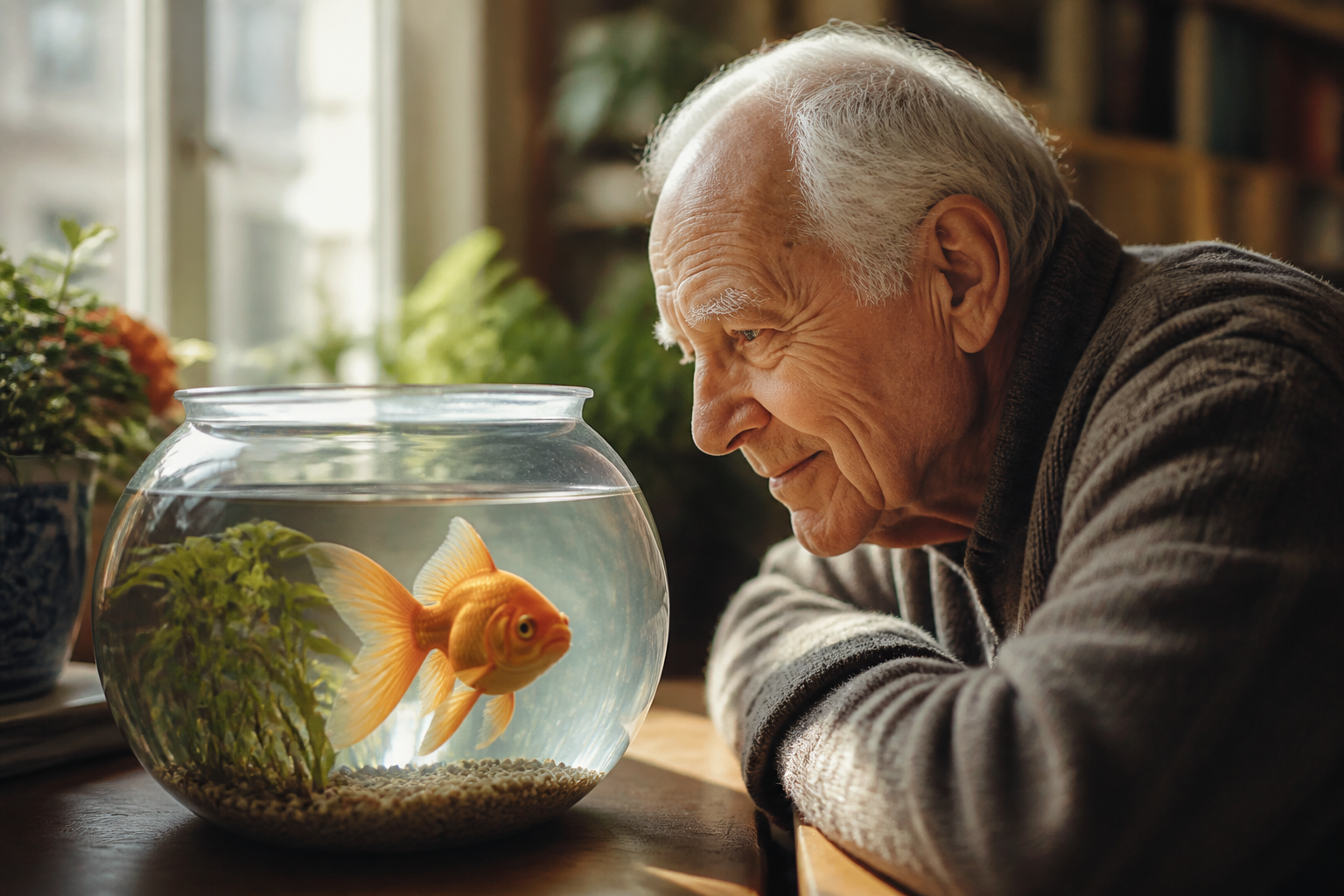

Caring for Senior Fish: A Guide to Golden Years
The Quiet Grace of the Aging Aquarium
There is a specific kind of bond that forms when you have kept a fish for five, ten, or even fifteen years. You have watched them grow from a small juvenile into a sturdy fixture of your home. It is a quiet relationship, but the emotional weight is undeniable. When you notice their colors fading or their swimming patterns slowing down, it can be heavy. We often talk about senior dogs and cats, but senior fish deserve that same level of compassionate, specialized care. At Pets in the Hood, we believe that every pet, no matter how small or aquatic, deserves a comfortable retirement.
Fish longevity varies wildly by species. A Betta might reach senior status at three years old, while a Goldfish is just getting started at age ten and can live to be thirty or more. Regardless of the species, the signs of aging are universal. You might see reduced activity, cloudy eyes, or a slight arch in the spine. These changes do not mean the end is near, but they do mean your care routine needs to shift. It is time to move from growth focused care to comfort focused maintenance.
Optimizing the Senior Environment
As fish age, their immune systems naturally weaken. This makes water quality more important than it has ever been. In a younger tank, a slight spike in nitrates might be tolerated, but for a senior fish, it can be the catalyst for illness. You should aim for a stricter water change schedule. Instead of changing 25 percent of the water every two weeks, consider changing 10 percent every single week. This provides more stability and prevents the sudden shifts in chemistry that can stress an older body.
Physical accessibility within the tank is another major factor. Older fish often struggle with strong currents. If your filter flow is high, your senior fish might spend all their energy just trying to stay in one place. You can use a pre-filter sponge or a baffle to slow down the intake and outflow. This creates a gentle environment where they can glide rather than fight.
Similarly, consider the decor. Sharp plastic plants or rough rocks can easily tear the thinning skin or fins of an older fish. Swap these out for silk plants or live moss. Provide resting spots near the surface. Many senior fish, especially long finned varieties like Bettas, get tired and want to rest closer to the air. Suction cup leaves or floating logs are excellent additions that allow them to park themselves and rest without sinking to the gravel.
Nutrition for the Golden Years
Metabolism slows down in fish just like it does in humans. A senior fish probably does not need the high protein, high calorie diet they required during their growth phase. In fact, overfeeding a senior fish can lead to fatty liver disease or constipation, which is much harder for an older fish to recover from.
Focus on high quality, easily digestible foods. Softening pellets in a bit of tank water before feeding can help a fish with declining jaw strength or vision. If your fish is struggling to find the food, try using a feeding ring to keep the flakes in one spot. This creates a predictable routine. You might also consider adding a drop of liquid vitamins to their food once a week to bolster their immune system. Fresh vegetables like blanched peas or zucchini can provide necessary fiber to keep their digestive tracts moving, which is vital for preventing buoyancy issues common in older goldfish.
Travel and Moving with an Older Fish
Moving house or traveling with a senior fish is a high stakes task. Their ability to handle stress is diminished, so every part of the journey must be planned with precision. If you are moving long distance, the goal is temperature stability and oxygenation.
For a senior fish, skip the plastic bags. Use a sturdy, insulated cooler or a dedicated five gallon bucket with a lid. The insulation helps maintain a steady temperature, preventing the thermal shock that often kills older specimens during transit. Use a battery operated air pump with an air stone to keep the water oxygenated.
Limit the duration of the trip whenever possible. If you are moving, the fish should be the last thing packed and the first thing unpacked. Use a stress coat water conditioner that adds a synthetic slime coat layer, as seniors often have compromised natural slime coats. Do not feed the fish for 24 hours before the trip. This keeps the travel water cleaner by reducing waste production, which is the number one killer of fish in transit.
The Choice to Adopt a Senior
Adopting a senior fish is a unique and rewarding path. Many people surrender large, older fish like Oscars or Koi when they outgrow their initial tanks. These fish are often hardy survivors with established personalities. When you adopt a senior, you are providing a sanctuary for their remaining years.
Before adopting, ask for the fish's history. Knowing the previous water parameters help you acclimate them slowly. A senior fish that has lived in hard water for ten years will not react well to being suddenly dropped into soft water. The drip acclimation method is mandatory here. Let the water from your tank slowly drip into their transport container over the course of two hours. This gradual change is the kindest way to introduce an old soul to a new home.
Health Monitoring and Quality of Life
Keeping a senior fish requires a keen eye. You are looking for subtle shifts. Is the fish hovering at the bottom more than usual? Are they missing their mark when they strike at food? These are signs of sensory decline. You can help by using a consistent light schedule. Sudden lights appearing in a dark room can startle a senior fish, so use a timer that mimics a natural sunrise and sunset.
Watch for common senior ailments like tumors or dropsy. While some tumors are benign and can be lived with for years, other conditions like dropsy indicate organ failure. In these moments, consult with an aquatic veterinarian if one is available in your area. Many people are surprised to learn that fish can receive medical care, including ultrasounds and even small scale surgeries.
Ultimately, caring for a senior fish is about observation and empathy. It is about realizing that while they might not wag a tail or purr, their presence in your home for a decade or more is a testament to your care. By making small adjustments to their water, their food, and their environment, you can ensure their final years are peaceful, comfortable, and full of the quiet dignity they deserve.
Enjoying this post?
Get the next one sent straight to your inbox — no spam, unsubscribe anytime.