
A Guide to Caring for and Traveling with Senior Pets
Sharing the Golden Years Together
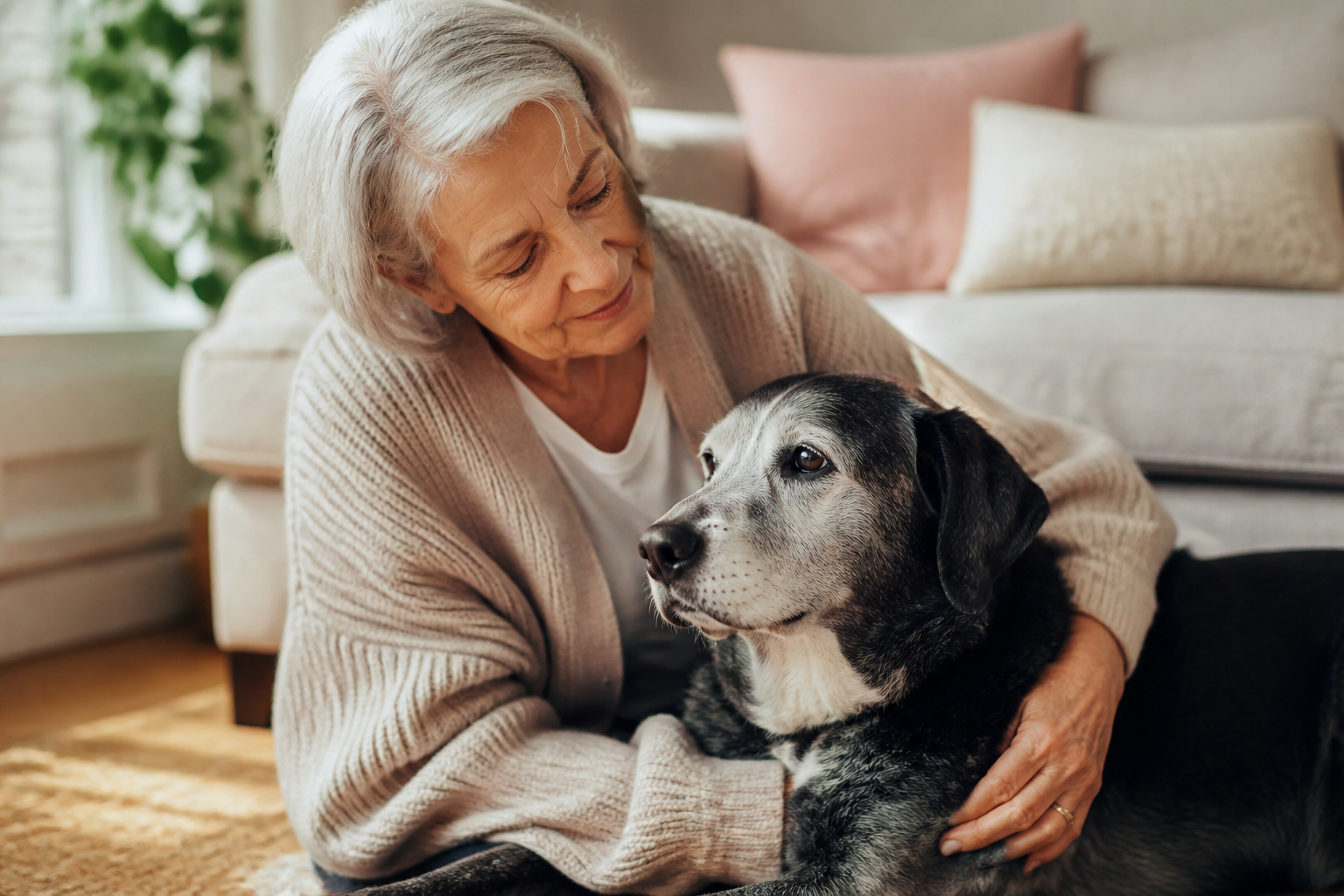
There is a specific kind of magic that comes with a senior pet. Their muzzle might be turning grey and their steps might be a little slower, but the bond you share has likely deepened into something quiet and profound. It is a heavy realization when we notice our companions are entering their twilight years. It brings up feelings of nostalgia and a desire to make every moment count. At Pets in the Hood, we believe these years can be some of the most rewarding. Whether you have been together since they were a puppy or kitten, or you just brought an older soul home from the shelter, caring for a senior animal requires a shift in perspective. It is about moving from high impact energy to high quality comfort.
Practical Care for the Aging Body
As our pets age, their physiological needs change significantly. The first step in a senior care plan is increasing the frequency of veterinary visits. While a young adult dog might only see the vet once a year, we recommend a checkup every six months for pets over the age of seven or eight. This allows your vet to catch conditions like chronic kidney disease or early stage arthritis before they become debilitating.
Nutrition and Mobility
Weight management is arguably the most important gift you can give a senior pet. An extra two or three pounds on a small dog or cat can put immense pressure on aging joints. Look for senior specific formulas that are lower in calories but higher in high quality protein to prevent muscle wasting. Many owners find success adding supplements like glucosamine, chondroitin, or omega 3 fatty acids to the bowl.
In the home, small environmental tweaks make a massive difference. If you have hardwood or tile floors, consider adding non slip rugs or yoga mats. Older pets often lose traction, and a single slip can lead to a painful injury. For pets that love the couch or the bed, foam ramps are much safer than stairs. These small changes help your pet maintain their independence even as their mobility declines.
Traveling with a Senior Companion
Many owners assume that once a pet hits ten years old, the days of road trips and vacations are over. This does not have to be the case. While you might trade the five mile hike for a scenic stroll around a lake, travel with a senior pet is entirely possible with the right preparation.
The Pre Travel Checklist
Before you book that dog friendly cabin, schedule a quick wellness check. You want to ensure their heart can handle the change in altitude and that their medications are stocked. Always bring a physical copy of their medical records and a three day surplus of any daily pills. If you are flying, research the airline rules carefully. Most senior pets should not fly in the cargo hold due to temperature fluctuations and stress. If they are small enough to fit under the seat, they will likely be much happier by your feet.
Comfort on the Road
If you are driving, plan for more frequent stops. Every two hours is a good rule of thumb. This gives your pet a chance to stretch their stiff limbs and relieve themselves. Bring their familiar orthopedic bed instead of a thin travel mat. The familiar scent and the extra support will help them relax in a new environment. For cats, travel can be particularly stressful. Using a pheromone spray in the carrier thirty minutes before departure can help lower their anxiety levels. Also, try to maintain their feeding and medication schedule as closely as possible to their home routine to avoid digestive upset.
The Heart of Senior Pet Adoption
There is a unique beauty in adopting a senior animal. Shelters are often full of older dogs and cats that have been surrendered through no fault of their own. Sometimes an owner passed away or a family moved. These animals are often already house trained and have moved past the destructive chewing or climbing phases of youth.
When you adopt a senior, you are providing a soft landing for a life that might have known hardship. You see exactly who the animal is from day one. Their personality is fully formed. While the time you have together might be shorter than if you started with a puppy, the depth of gratitude these animals show is undeniable. Be prepared for some initial medical costs, as many seniors coming from shelters need a thorough dental cleaning or blood work, but the payoff is a loyal companion who is simply happy to have a warm place to sleep.
Mental Health and Cognitive Decline
Just like humans, pets can experience cognitive decline, often referred to as Canine or Feline Cognitive Dysfunction. You might notice your pet staring into corners, pacing at night, or forgetting house training rules. This can be distressing for owners to witness.
However, there are ways to support their brain health. Interactive toys like puzzle feeders or slow mats can keep their minds engaged. Short, frequent training sessions using positive reinforcement can also help. Even if they already know how to sit or stay, practicing these cues keeps the neural pathways active. Always approach these sessions with patience. If they seem confused or tired, it is okay to stop and just provide some gentle forehead scratches instead.
Planning for the Future
It is a difficult topic, but part of being a senior pet parent is thinking about end of life care. Discussing hospice options or palliative care with your veterinarian early on can take some of the panic out of a crisis later. The goal is always comfort over quantity. Monitoring your pets good days versus bad days is a practical way to assess their quality of life. If they can no longer do the things they love, like eating their favorite treats or greeting you at the door, it may be time to have a compassionate conversation about their next steps.
Senior pets teach us about living in the present. They do not worry about what tomorrow holds. They only know that they are warm, they are fed, and they are loved by you. By adjusting your home, your travel plans, and your expectations, you can ensure their final years are full of peace and dignity. These are the years where the bond truly cements, turning a pet into a lifelong soulmate.
Enjoying this post?
Get the next one sent straight to your inbox — no spam, unsubscribe anytime.