Building Your Horse Care Circle: A Guide to Community
The Weight of the Halter: Why We Need a Village
Owning a horse is unlike any other pet relationship. It is an emotional investment that tethers you to the land, the weather, and the physical demands of a thousand pound animal. When that horse begins to age, or when your own life gets busy, the weight of those responsibilities can feel heavy. It is a unique kind of pressure to know that your horse relies on you for every flake of hay and every bucket of water. We often feel we must do it all alone to be considered good owners, but the truth is that the best care happens within a community.
Acknowledging that you need help is not a sign of failure. It is a sign of devotion. Whether you are managing an elderly gelding with specific dietary needs or a high performance mare, building a reliable care circle ensures that your horse never misses a meal or a medication, even when you cannot be there yourself. This guide explores the practical ways to build that network through pet sitters, owner groups, and informal care circles.
The Professional Sitter: More Than Just a Guest
Finding a horse sitter is vastly different from hiring someone to walk a dog. You need a person who understands flight instincts, basic wound care, and the subtle signs of colic. In the horse world, a professional sitter is your first line of defense.
When hiring, look for specific experience. A great sitter should know how to handle a horse on lead, how to check water troughs for ice in the winter, and how to recognize if a horse is not acting like itself. Expect to pay a premium for this expertise. In many rural areas, a basic visit might cost 30 to 50 dollars, while overnight stays can range from 75 to 150 dollars depending on the number of horses and the chores involved.
Always conduct a trial run. Have the sitter come over while you are there. Watch how they approach the stall. Do they latch the gate properly? Do they notice the small details? A formal contract or a detailed instruction sheet is essential. Include the phone numbers for your vet, your farrier, and a neighbor with a trailer. This professional relationship is the anchor of your care community.
The Power of Local Owner Groups
Social media has changed the way we connect, but local horse owner groups remain the heartbeat of the community. These groups, often found on platforms like Facebook or through local breed associations, are invaluable for sharing resources.
If your hay supplier runs dry in mid January, your local group is where you find a lead on a new stack. If you are looking for a reliable farrier who handles senior horses with arthritis gently, these peers provide the most honest reviews. Beyond logistics, these groups offer emotional support. Only another horse owner truly understands the stress of a midnight vet call or the heartbreak of saying goodbye to a long time companion.
To get the most out of these groups, be a contributor, not just a consumer. Share your own experiences with local feed stores or offer a hand when someone else is in a pinch. This builds social capital that you can lean on when you eventually need help.
Creating Your Informal Care Circle
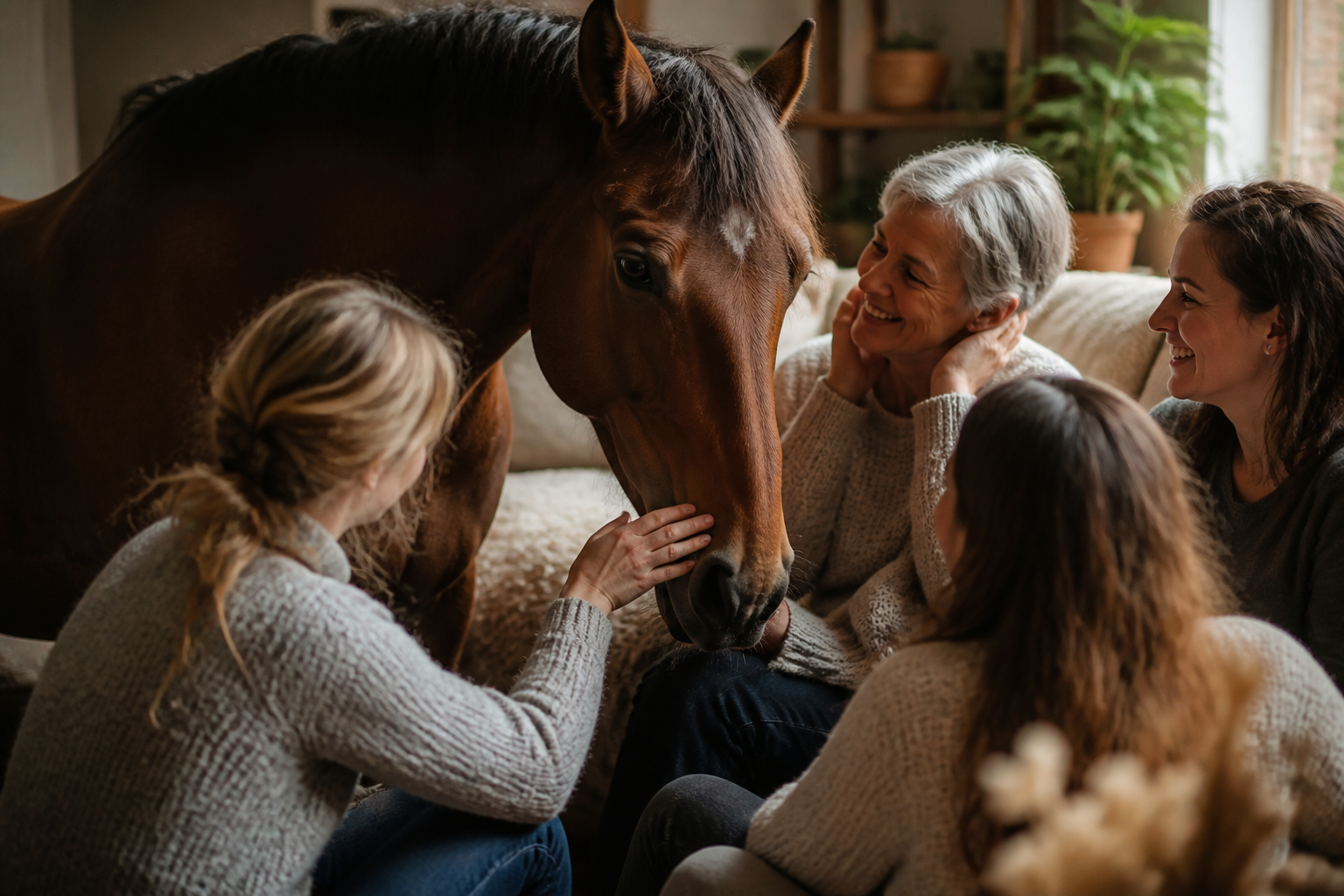
While professional sitters are great for vacations, an informal care circle is what gets you through the daily grind. This is typically a group of three or four trusted friends or fellow boarders who agree to watch out for each others animals.
This works best when it is based on reciprocity. Perhaps you handle the morning feeding on Saturdays so your friend can sleep in, and they check your horses blankets on Tuesday evenings when you work late. This system reduces the financial burden of hiring help while ensuring your horse has multiple sets of eyes on them.
When forming a care circle, clear communication is the only way to avoid conflict. Use a shared digital calendar or a simple group chat. If you notice a heat swelling on a friends horses leg, take a photo and send it immediately. Trust is the currency of these circles. You must be able to trust that they will call the vet if something looks wrong, and they must trust that you will do the same.
The Role of the Senior Horse in the Community
Senior horses often require the most community support. As horses age, their needs become more specialized. They might need soaked hay pellets three times a day because they can no longer chew long stem forage. They might need specific blanketing adjustments as the temperature fluctuates.
In a community setting, the senior horse becomes a shared responsibility. Neighbors often check on the old guy in the pasture just to make sure he is standing and comfortable. If you own a senior horse, be transparent with your community about their quirks. If he breathes a little heavy on humid days or takes a long time to stand up, let your sitters and circle members know what is normal and what constitutes an emergency. This prevents unnecessary panic while ensuring true issues are caught early.
Logistics and Safety in Shared Care
Safety is the foundation of any horse care community. You should have a centralized board in your barn or a shared digital folder that includes the following items for every horse in the circle:
- A clear photo of the horse for identification.
- Current weight and height.
- Normal vital signs including heart rate and temperature.
- Specific dietary requirements and allergies.
- Insurance information and a signed medical release for the vet.
If you are using a shared trailer for emergencies, ensure everyone knows how to hook it up and that the tires are properly inflated. Community care is only effective if everyone has the tools and knowledge to act quickly.
Finding Your People
If you are new to an area or just starting your journey with horses, finding this community can feel daunting. Start at the local feed store. Look at the bulletin boards. Attend local clinics or shows, even if you are not competing. Volunteer at a horse rescue. These are the places where the most dedicated horse people congregate.
Building a community takes time and effort. It requires showing up for others when you are tired and being brave enough to ask for help when you are overwhelmed. However, the reward is a safer, happier life for your horse and a much lighter load for you. You don't have to carry the halter alone. Your village is out there, waiting for you to reach out and join the circle.
Enjoying this post?
Get the next one sent straight to your inbox — no spam, unsubscribe anytime.