Booking Stays for Big Pets and Barnyard Friends
Traveling With Your Heavyweight Best Friends
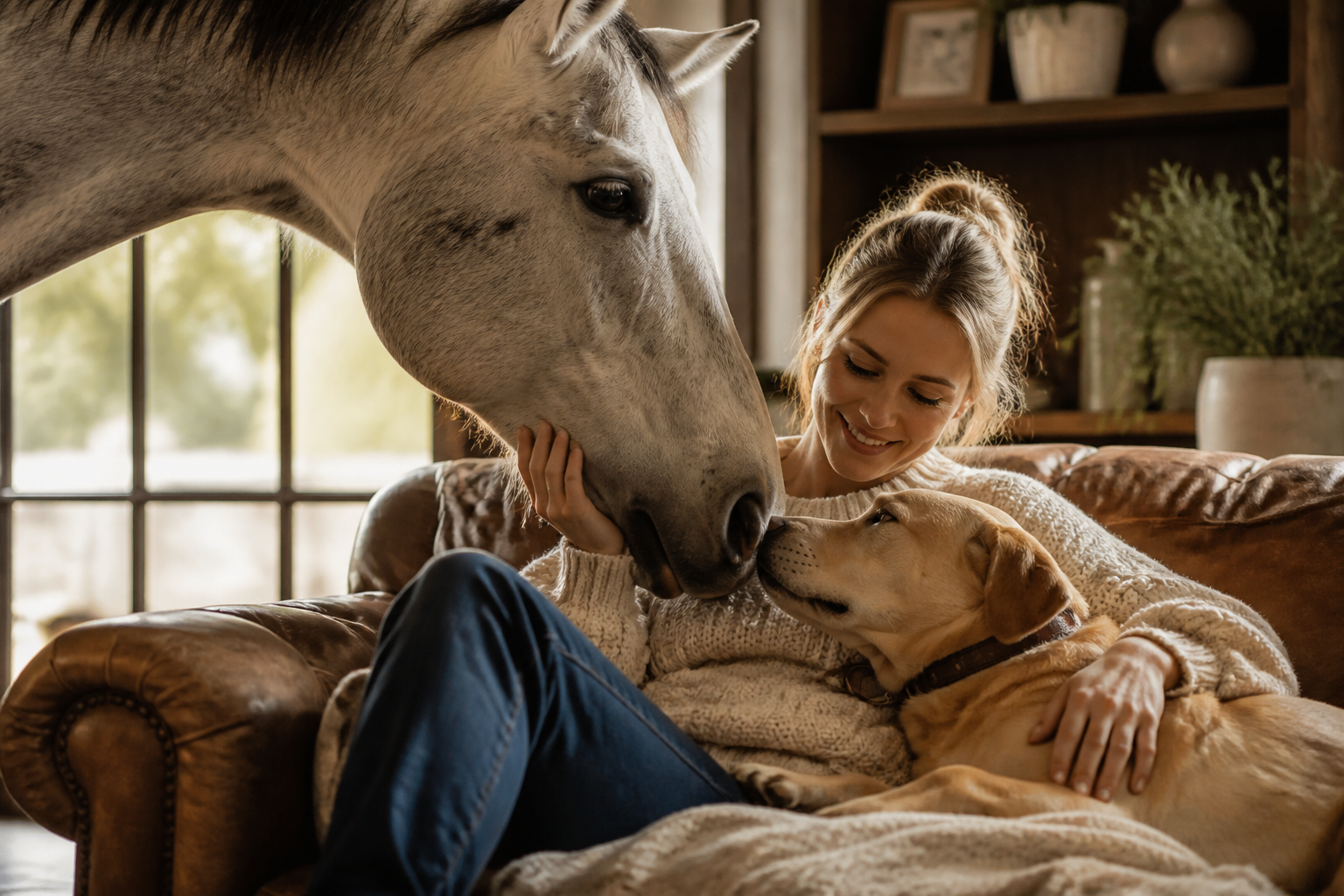
There is a specific kind of knot that forms in your stomach when you start planning a trip with a senior horse or a large rescue animal. It is not just about the logistics. It is about the deep responsibility we feel for these creatures who have spent years being our faithful companions. Whether you are moving across the country or heading to a specific trail riding destination, finding a place to sleep that welcomes both you and your horse is a challenge that requires patience and a bit of insider knowledge. At Pets in the Hood, we know that your pets are family, and sometimes that family weighs 1,200 pounds.
The Reality of Pet Friendly Labels
When most booking sites say pet friendly, they usually mean a dog under 50 pounds. For those of us with horses, llamas, or even very large livestock dogs, that filter is practically useless. Traditional hotels are rarely an option unless they are specifically designed as equestrian resorts. Instead, we have to look toward a different set of tools and search terms to find a safe harbor for the night.
Why Traditional Hotels Rarely Work
The standard hotel model is built for humans and small domestic pets. Even if a Marriott or a Hilton allows dogs, their insurance policies almost never cover larger animals on the property. Zoning laws in suburban areas also prevent these businesses from hosting livestock. If you are traveling with a horse, your focus needs to shift toward rural stays, fairgrounds, and specialized bed and breakfasts that have agricultural zoning.
Finding Horse Friendly Airbnbs and Rentals
Airbnb and VRBO have revolutionized travel for many, but for horse owners, you have to read between the lines. Do not just look for the pet friendly icon. You must use the keyword search bar. Search for terms like paddock, stall, equestrian, or horse friendly.
How to Vet a Rental Property
When you find a potential cabin or ranch rental, do not book it immediately. Send a message to the host with these specific questions:
- Do you have secure fencing, and what material is it? (Barbed wire is a dealbreaker for many).
- Is there a water source near the area where the horse will stay?
- Is there enough room to turn a 20 foot or 30 foot trailer around?
- Do you require a CVI (Certificate of Veterinary Inspection) or Coggins test before arrival?
Expect to pay a different kind of pet fee. While a hotel might charge 25 dollars for a dog, a ranch might charge 35 to 50 dollars per stall per night. This fee often covers the cleaning of the stall and disposal of waste.
Specialized Resources for Big Animals
Sometimes the best way to find a place to stay is to use websites that cater specifically to the equestrian community. These platforms understand that you cannot just park a horse in a parking lot.
- HorseMotel: This is a classic directory that has been around for years. It lists private farms and boarding stables that offer overnight layovers.
- Stall High: A newer platform that acts like an Airbnb but specifically for horse stalls and paddocks.
- EquineNow: While mostly for sales, their boarding directory often lists places that offer short term stays.
The Fairground Alternative
If you are on a long road trip and cannot find a private rental, do not overlook local county fairgrounds. Many fairgrounds across the United States have hundreds of stalls that sit empty for most of the year. They often have RV hookups right next to the barns. This allows you to stay in your trailer or a nearby motel while your horse is just a few yards away. Prices at fairgrounds are usually very reasonable, ranging from 15 to 30 dollars per night. Always call ahead, as many require a reservation to ensure someone is there to unlock the gates.
Practical Tips for the Senior Traveler
Traveling is harder on senior animals. Their joints stiffen up and their digestive systems can be sensitive to stress. When you are looking for a rental, prioritize places that allow for turnout. A horse that has been in a trailer for eight hours needs to move. A small, grassy paddock is infinitely better than a 10 by 10 stall for an older horse with arthritis.
Packing for the Stay
When you stay at a rental or a horse motel, you are responsible for your own supplies. Never assume the host will provide hay or shavings. In fact, many hosts prefer you bring your own to avoid introducing new weeds or allergens to their property. Bring at least two extra days of feed and a familiar water bucket. Some horses are picky about the taste of water in different regions. Bringing a few gallons of water from home to mix with the local water can prevent dehydration.
Etiquette and Safety at Rentals
Being a good guest ensures that these properties stay open to animal lovers. Always clean up after your animal. If the agreement says you are responsible for mucking the stall, do it thoroughly. If your horse causes damage to a fence or a gate, report it immediately and offer to pay for the repairs.
Safety is the other half of the equation. Always scout the area where your horse will be staying before you unload. Look for low hanging wires, sharp edges on feeders, or poisonous plants like oleander or red maple. If something looks unsafe, do not be afraid to keep the horse on the trailer while you discuss a solution with the host.
The Emotional Reward
It is a lot of work. There is no denying that. Between checking Coggins papers and scouting turnarounds for a large dually truck and trailer, it can feel like a full time job. But there is nothing quite like waking up in a quiet cabin, walking out with a cup of coffee, and seeing your old friend grazing in a sunlit pasture. These trips create memories that last a lifetime, and they give our senior animals a change of scenery that can actually brighten their spirits. By doing the legwork on the front end, you ensure that the journey is just as peaceful as the destination.
Enjoying this post?
Get the next one sent straight to your inbox — no spam, unsubscribe anytime.