Bird Care Circles: Building Your Avian Support Squad
The Weight of the Wings We Love
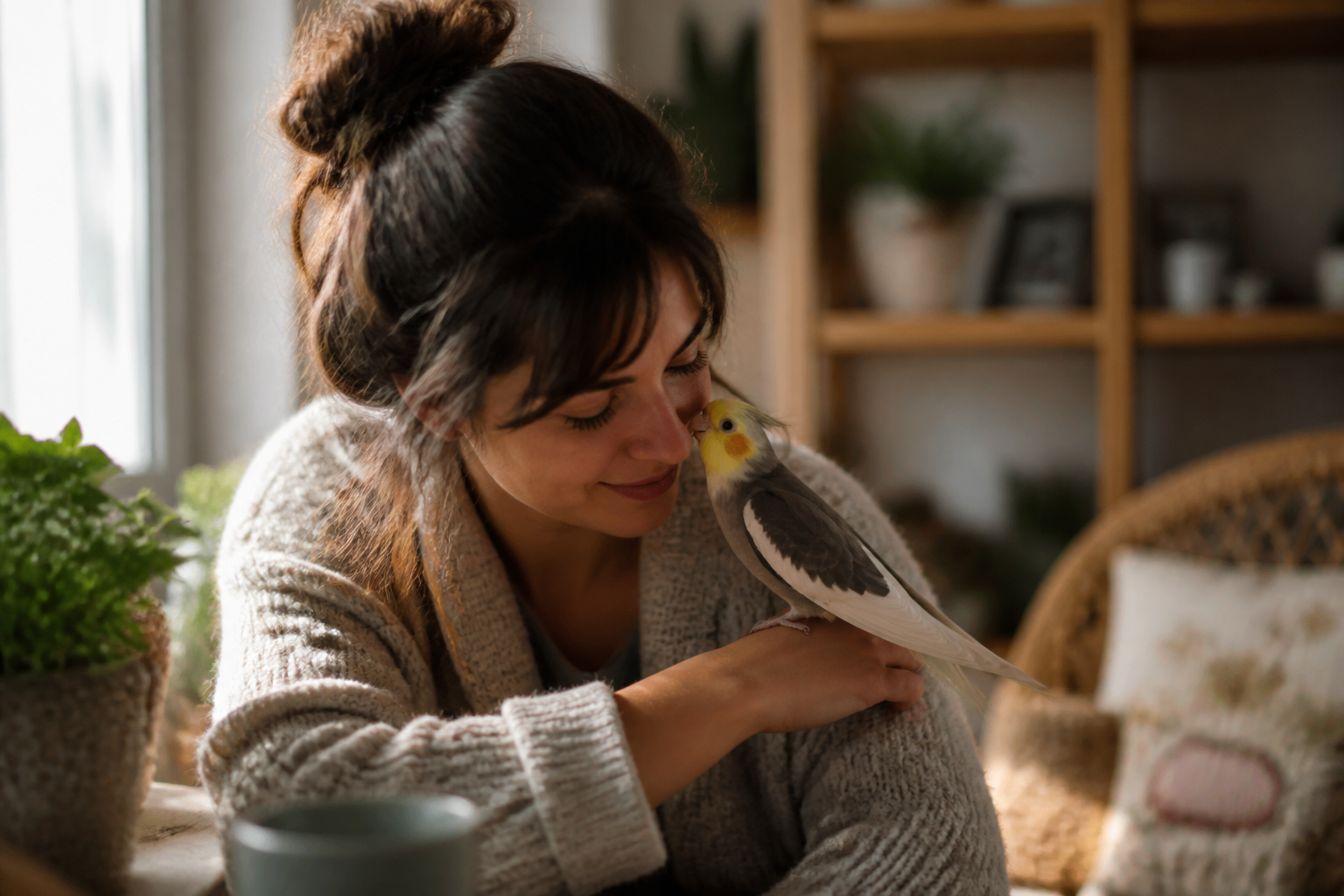
There is a specific kind of quiet that settles into a home when a long lived bird is part of the family. Whether it is the soft grinding of a beak before sleep or the sudden roar of a morning greeting, our birds occupy a massive space in our emotional lives. As they age, or as we find ourselves facing our own golden years, the question of 'what if' starts to carry more weight. It is a heavy realization that our feathered companions often require a level of specialized care that the average neighbor cannot provide. Acknowledging that we cannot do it all alone is not a sign of failure. It is the first step in building a resilient, joyful community that protects both the bird and the owner.
Birds are not like dogs or cats where a quick walk or a full bowl of kibble suffices for a weekend. They are highly social, intellectually demanding, and physically fragile creatures. When you look at the 30 to 50 year lifespan of many parrot species, it becomes clear that bird ownership is a team sport. You need a circle. You need a community that understands the difference between a happy chirp and a respiratory rattle. This guide is about how to build that infrastructure so you never have to worry about your bird being misunderstood or neglected.
Why Traditional Pet Sitting Often Falls Short
Most commercial pet sitting services are geared toward mammals. If you hire a random sitter from a popular app, they might be great with Labradors but completely clueless about the dangers of non stick cookware fumes or the subtle signs of egg binding. For a bird owner, a mistake by a well meaning stranger can be fatal within hours.
This is why we focus on 'care circles.' A care circle is a group of informed individuals who have been vetted, trained on your specific bird's quirks, and are integrated into your local avian community. By moving away from transactional sitting and toward communal care, you create a safety net that survives holidays, emergencies, and the natural transitions of life.
Finding Your People: Local Bird Groups
Step one is finding others who speak the language of feathers. Look for local bird clubs or avian societies in your city. These are not just for hobbyists who want to show birds. They are hubs for practical resources.
- Search for 'Avian Societies' or 'Parrot Owners of [Your City]' on social media platforms.
- Visit specialized avian veterinarians and check their bulletin boards.
- Attend a local bird fair or educational seminar.
When you join these groups, do not just lurk. Ask questions about local sitters. Many times, experienced owners are happy to trade sitting duties. This is the gold standard of care. If another Macaw owner watches your Macaw, you can rest easy knowing they understand the bite pressure and the dietary needs. These exchanges are often free or based on a 'barter' system, which saves you the 50 to 75 dollars per day that high end avian boarding facilities typically charge.
Scouting and Training a Dedicated Sitter
If you cannot find a fellow owner to swap chores with, you must train a dedicated sitter. This person does not need to be an expert on day one, but they must be coachable. Look for vet techs or students in animal science programs.
When interviewing a potential sitter, ask these three specific questions:
- What is your experience with air quality safety around birds?
- Can you identify the signs of a bird in distress, such as tail bobbing or drooping wings?
- Are you comfortable handling the bird if they need to be moved back to their cage in an emergency?
Expect to pay a premium for this expertise. In most urban neighborhoods, a qualified bird sitter should earn between 25 and 40 dollars per visit. If they are staying overnight, that rate might climb to 100 dollars. It is an investment in your peace of mind.
Creating Your 'Bird Bible' for the Care Circle
Continuity of care depends on information. Your community can only help you if they have the map. Every bird owner should have a 'Bird Bible' (a physical binder) kept near the cage. It should include:
Medical Fundamentals
- The contact info for your avian vet and the nearest 24 hour emergency clinic that actually sees birds.
- A current weight log. Weight loss is often the first sign of illness.
- Clear instructions on any medications, including dosages in milliliters.
Daily Rhythms
- The exact 'lights out' time. Birds need 10 to 12 hours of uninterrupted sleep to stay healthy and avoid hormonal triggers.
- A list of 'Yes' and 'No' foods. Explicitly list avocados, chocolate, and onions as toxic.
- The 'step up' command and any specific gestures your bird uses to communicate.
The Emergency Care Circle
In the 'Pets in the Hood' philosophy, we believe in the 'Rule of Three.' You should have three people who have a key to your home and know how to handle your bird.
- The Primary Sitter: Your go to person for planned trips.
- The Emergency Neighbor: Someone who lives within walking distance and can move the cage or refill water if you are stuck in traffic or a hospital.
- The Long Term Guardian: The person designated in your will or bird trust who will take over care if you can no longer provide it.
This third person is the one people find hardest to talk about. It is emotional and difficult. However, for senior owners with senior birds, having this conversation now is the greatest gift of love you can offer. It ensures your bird never ends up in a stressful, crowded rescue situation during their final years.
Technology as a Community Tool
Do not overlook the power of simple tech to keep your circle connected. Smart cameras like a Nest or Wyze allow you to check in on your bird from your phone. More importantly, they allow you to give your sitter 'viewing access' so they can monitor the bird's activity levels without being physically present 24/7.
Shared digital calendars can also track cage cleanings, fruit rotations, and vet appointments. When everyone in the circle sees the schedule, nothing falls through the cracks. If your neighbor sees that the 'water change' task hasn't been checked off by 6:00 PM, they can send a quick text to check in.
Final Thoughts: The Joy of a Shared Life
Owning a bird can sometimes feel isolating, especially when your friends without pets do not understand why you cannot just 'leave out a bowl of water' and go away for the weekend. By building a care circle, you break that isolation. You realize that there are others who find the same magic in a soft whistle or a clever head tilt.
Your community is your strength. It protects your bird, it supports your lifestyle, and it ensures that the bond you share with your feathered friend remains a source of happiness rather than a source of stress. Start small. Reach out to one local group this week. Your bird will thank you for the extra layers of protection and love.
Enjoying this post?
Get the next one sent straight to your inbox — no spam, unsubscribe anytime.